Author: Kevin

Is It Still Legal to Recharge My Air Conditioning Unit With Freon Gas?

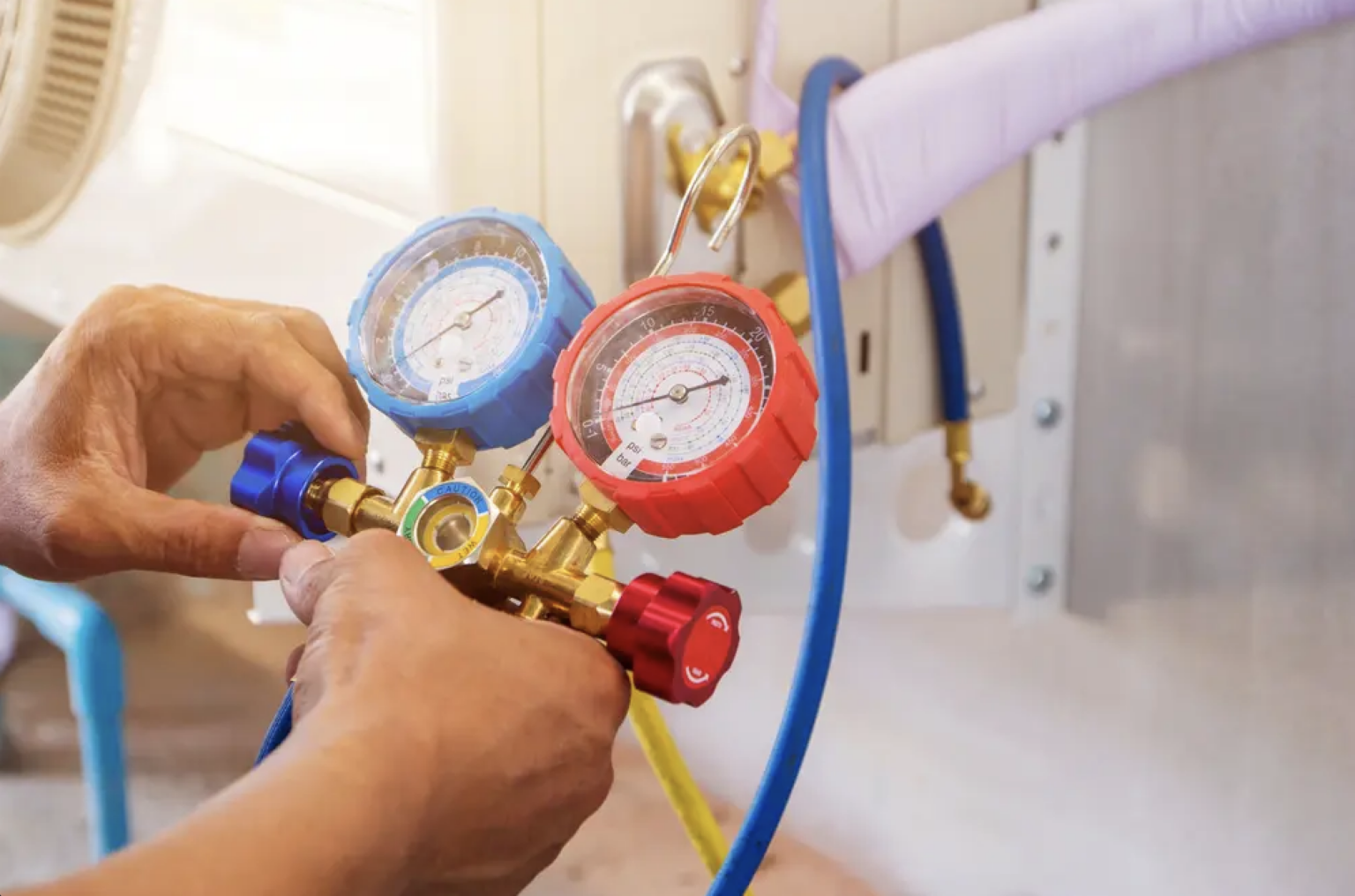
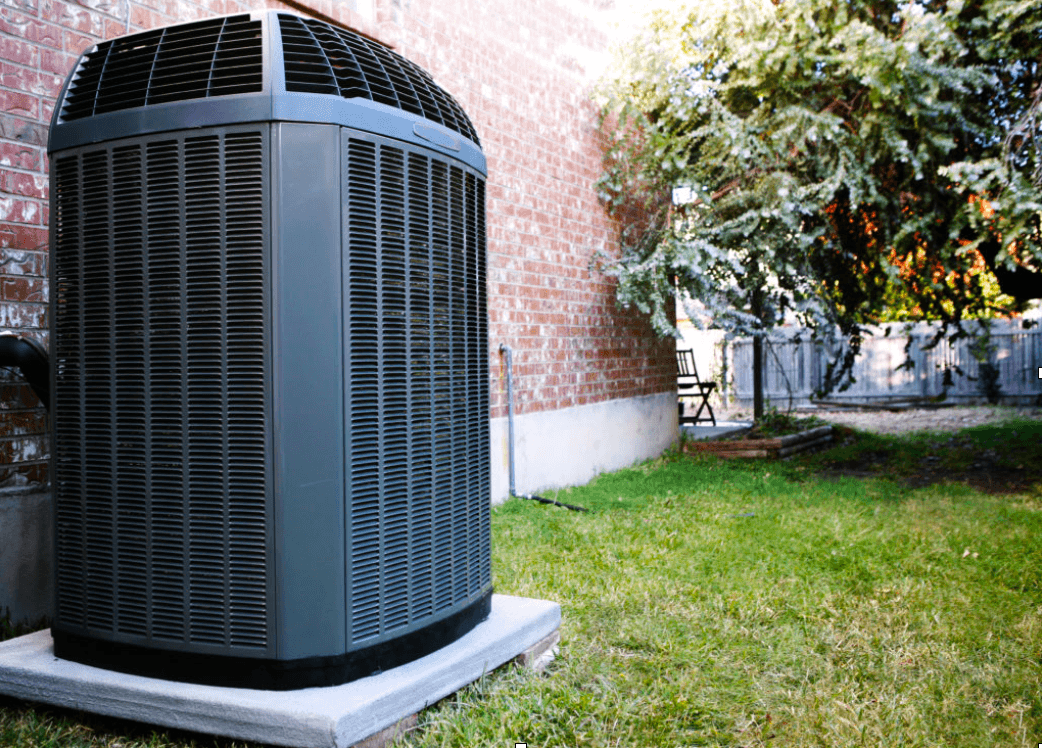
Perhaps no other compound used in the HVAC industry has received as much mainstream press as Freon. This brand-name halocarbon was long used as the standard coolant in a wide variety of both air conditioning units and kitchen refrigerators. Government regulators started to ban many of the ingredients used to make Freon as early as 1987, owing to the fact that they contributed to the hole in the ozone layer. The state of Indiana also has its own set of regulations leading many people to believe that all forms of Freon are illegal. However, these bans impact only specific products, and many consumers, as well as HVAC technicians use the word Freon to refer to a wide variety of chemicals.

What the Word Freon Really Means

Though it might sound like some kind of technical term, Freon is actually a registered trademark. It’s a brand name that’s been applied to several gases manufactured by companies connected to Kinetic Chemicals and now Chemours. Many people use the term to refer to just about every refrigerant on the market. Since there are a few legal refrigerants still on the market, it’s obviously acceptable for HVAC technicians to use these when recharging an AC unit.

Older types of Freon were phased out due to ozone depletion regulation, though existing supplies continued in use until they were exhausted. Certain newer types of Freon, such as R-22, are now being phased out since they’re potent greenhouse gases, but there’s a good chance that some of these may remain in use for some time. There’s currently a great deal of confusion in the industry because of the misuse of the word Freon as well as the changing regulatory landscape. Compounding this is the fact that there are actually some cases where Freon may have worked better than present-day refrigerants.

Benefits of Using Freon

Old-school Freon was arguably energy efficient and had a tendency to get at least somewhat colder than many of the gases currently in use. Its contribution to the greenhouse effect was the main problem. As stockpiles ran out, some technicians were actually able to recover Freon from existing AC units that were getting recycled. Therefore, it does have some reuse value in spite of the fact that there are serious environmental considerations associated with it. Recovered Freon is normally legal in specific applications since it’s not freshly manufactured.

Some newer gases are flammable, which has made them completely unacceptable for use in corrosive environments. They also pose concerns for homeowners, which is why conventional Freon stuck around in the residential HVAC market much longer than in almost any other application. Molecules found in Freon gas are extremely stable, which is both why it doesn’t catch fire as easily and why it has a tendency to stay around in the upper atmosphere for so long.

Modern Alternatives to Freon

An increasingly large percentage of AC units are getting recharged with various types of isobutane-based chemicals, which are derived from propane. These are relatively high in performance and don’t suffer from any regulatory issues, but some critics have questioned their safety. Some units now call for a new type of gas called R-1234yf, which is much less flammable than anything loaded with isobutane. Carbon dioxide might be the most promising refrigerant, however, since it can be easily manufactured without too much harm to the environment, and it’s not flammable. Considering that human beings exhale this gas, we don’t have to worry about its toxicity either.

Regulatory bodies don’t have many laws regarding the application of CO2 gas, so homeowners won’t have to worry about the legality of acquiring it. They’ll be able to call up their local HVAC professional and have them recharge their AC unit with a safe gas. Until this technology becomes commonplace, however, it’s likely that some forms of Freon gas will remain legal in specific applications for the next few years. The fact remains, though, that it is no longer manufactured.

Reliably Recharging an AC Unit

Environmentally destructive refrigerants should be phased out completely in the early 2030s, which means many homeowners will be stuck asking difficult regulatory questions until that time. Never hesitate to reach out to our team at Dugan Air. Our professional service representatives only use registered industry-standard refrigerant gases that are in compliance with the current regulatory framework. That means you won’t have to worry about whether or not the gas you’re using is legal. If you’re located anywhere in Franklin, IN or the surrounding area, you can count on us for all your heating and cooling needs, including installation, repair, and maintenance. Call Dugan Air today.

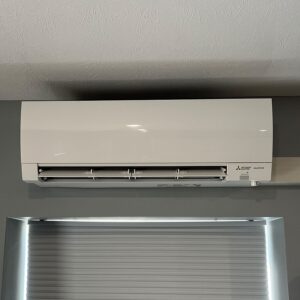
best ductless mini split

Which Company Makes the Best Ductless Mini-Split Air Conditioner?

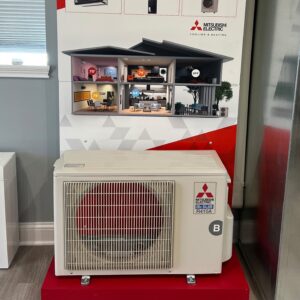
Franklin, IN, is a wonderful place to live, offering plenty of parks and local activities to enjoy. If you’re a homeowner here, selecting a reliable, energy-efficient air conditioner is crucial for keeping your home cool throughout the summer. The ductless mini-split air conditioner was designed by Mitsubishi in 1959 and is still regarded as the best mini-split ductless AC on the market today. The Dugan Air Heating and Cooling experts have valuable tips and information about these dependable systems, what makes them superior, and why you should choose a Diamond Elite Mitsubishi contractor like us for your next system upgrade. 

Why Choose a Ductless Mini-Split System?

Mitsubishi Ductless Air Conditioner

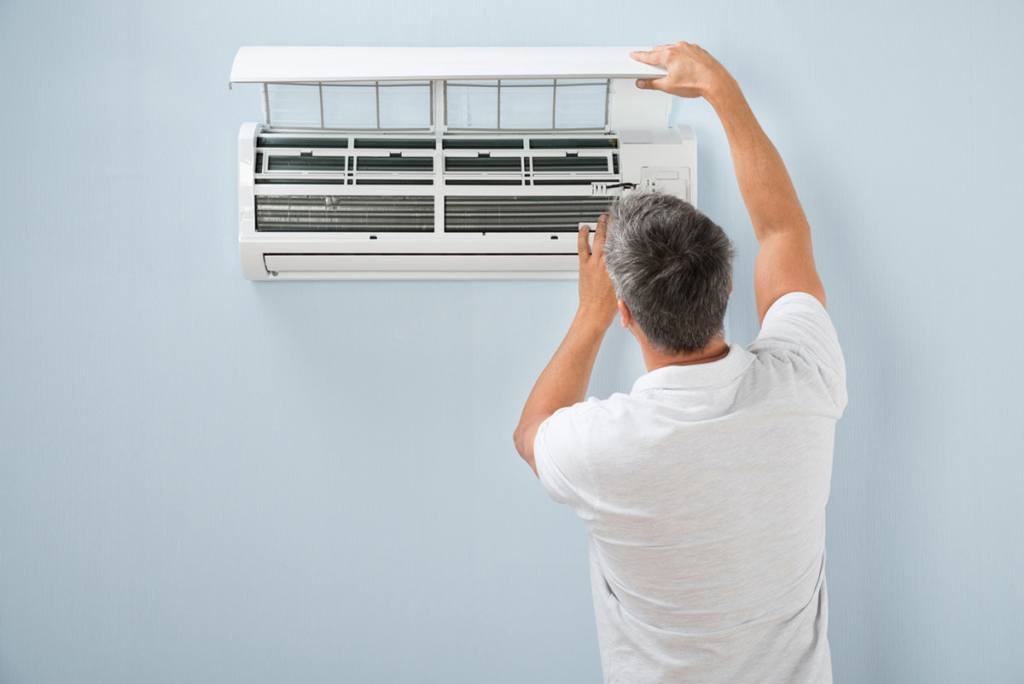
A ductless mini-split air conditioning system provides zoned cooling in your home, eliminating the need to constantly control the climate in spaces you’re not using. The ability to control cooling in different rooms helps you save on monthly energy costs. Since these systems don’t require ductwork, you’ll also avoid energy loss and uneven cooling often caused by leaks and small cracks in traditional air ducts. 

The top-rated mini-split AC systems use heat transfer instead of needing a separate energy source to create cold air. Even on the hottest days, only a small amount of energy is needed to keep the system operating. A ductless mini-split system should last 15 to 20 years with proper care and maintenance, just like other HVAC systems.

What Makes a Mini-Split System the Best?

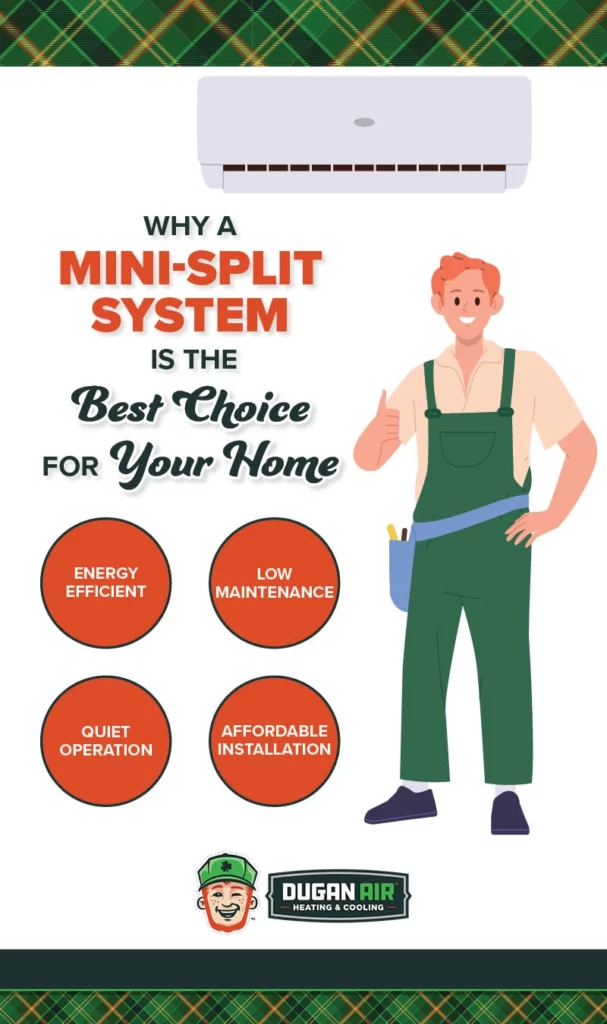
Here’s why a mini-split system is the best choice for your home:

  • Energy efficient: Mini-split systems don’t need a separate energy source to produce cool air, and they provide zoned heating, making them an extremely energy-efficient option for home comfort.
  • Less maintenance: Since mini-split systems don’t use ductwork, you’ll spend less time and money on unnecessary air duct cleanings and repairs. 
  • Quiet: Ductless mini-split systems tend to be quieter than traditional air conditioners because they use variable-speed fans and have a sleek, compact design.
  • Affordable installation: The cost to install a mini-split system is significantly lower than that of a brand-new central AC system or heat pump.

How To Choose the Best Mini Split AC System for Your Home

Remember these tips when selecting the best ductless mini-split AC system for your home.

SEER rating

Select a mini-split model with a high seasonal energy efficiency ratio (SEER) rating for optimal energy efficiency. The latest SEER rating system is the SEER2 rating system. To qualify for federal tax incentives, your new mini-split must have a minimum SEER2 rating of 17 or above. 

Brand

Choosing the best brand for your ductless mini-split air conditioning is also important. Mitsubishi is a pioneer in ductless technology and is well-known for making some of the best, most reliable mini-split AC systems available. The company is praised for its innovative development of home comfort products and has been providing exceptional systems for over 35 years.

Size

Choosing the right size mini-split system for your home is just as important as choosing the right size water heater. If you’re unsure, it’s best to undersize a system since choosing an oversized unit will lead to poor humidity control, less energy efficiency, and frequent short cycling. You can choose which rooms you want to keep cool without overtaxing the system, even if it’s undersized since it provides zoned cooling. 

Smart features

Look for a new mini-split system with smart features like a remote control and Wi-Fi capabilities. Remote features like an app that connects the system to your smartphone make it easy to control the temperature in different rooms and at different times. Such functionality gives you even more control over energy usage and how cool you want specific rooms in your home to be.

Why Choose a Diamond Elite Mitsubishi Contractor?

Ductless Air Conditioner

A Diamond Elite Mitsubishi Contractor like Dugan Air undergoes extensive, factory-certified training directly from Mitsubishi. Thanks to this training, we provide expert installation and repairs to help you get optimal performance from your system. Plus, having your system installed and serviced by a Diamond Elite Mitsubishi contractor keeps your warranty active and valid. 

You’ll also receive a free in-home consultation to help you determine which system is best for your home and your unique cooling needs. We help you select a Mitsubishi ductless mini-split system that provides you with the best savings, energy efficiency, and most effective cooling possible. We’ll also confirm that you receive the appropriately sized system for your home and give you thorough training on how to use your brand-new mini-split system.

Contact Dugan Air Today!

If you’re ready to switch from a traditional air conditioner to a quality ductless mini-split system, Dugan Air Heating and Cooling is here to help. We’ll work with you to provide the best option to keep your Franklin, IN, area home as comfortable as possible all year round. Contact us today if you’d like to learn more or schedule your mini-split installation!

Understanding Why Your Thermostat Is in Recovery Mode

Understanding Why Your Thermostat Is in Recovery Mode

Key Takeaways

  • Recovery mode makes your HVAC system start early, so your home reaches the temperature you set at the scheduled time. 
  • Seeing your thermostat in recovery mode is normal and helps you save on energy costs by gradually raising or lowering your home’s temperature.
  • If your thermostat enters recovery mode unexpectedly or for an extended period, there may be an issue with your HVAC system.
  • Dugan Air is here to help with all your thermostat and HVAC needs, providing quick repairs, professional installations, and preventative maintenance. 

What Is Recovery Mode on a Thermostat?

Modern digital thermostats have multiple functions and features, offering convenient programming options, helpful automation, and user-friendly setup. However, these functions sometimes include alerts or modes that may catch your attention.

If you’ve noticed your digital thermostat is in “recovery mode,” it’s usually not something to worry about. While certain scenarios may require further attention, most of the time it’s just a setting or schedule that needs adjusting. Learn what recovery mode means on your thermostat, why it happens, and when it’s an issue that needs your attention.

Why Does My Thermostat Say “In Recovery”?

When your thermostat says it’s in recovery mode, it means that it’s transitioning from an energy-saving mode, like “away” or “sleep,” to reach your desired temperature. It’s a relatively new feature found on several brands of thermostats, including Ecobee, Honeywell, and Google Nest, that causes your HVAC system to turn back on ahead of schedule so it can reach your set temperature by the programmed time.

For example, if you’ve set your air conditioner to turn off when you’re out or asleep, the thermostat uses recovery mode to begin cooling your house shortly before you come home or when you get up in the morning. 

Recovery mode helps you save money on your energy bills by gradually raising or lowering the ambient temperature in your home, rather than straining the system by rapidly turning it on or off. It also reduces the total time your HVAC system runs by optimizing temperature adjustments based on your schedule. 

Is Recovery Mode on a Thermostat Normal?

It’s completely normal for your thermostat to say “smart recovery” or “recovery.” You may also see a small light or an icon glowing on the display screen. Some of the most common reasons your thermostat enters recovery mode include the following.

Your thermostat is programmed to turn on at a specific time

The most common reason you’re seeing your thermostat in recovery mode is its settings. Once recovery mode is enabled, your thermostat begins adjusting the temperature one to two hours before your scheduled time so your home reaches the desired temperature when needed. Seeing recovery mode within this timeframe is perfectly normal.

The smart system changed its settings

You may still see a smart thermostat in recovery mode even if you haven’t set the HVAC system to turn on and off at specific times. This happens when the system automatically adjusts its settings based on any patterns it detects, such as your daily routine or preferred temperatures.

There was a power surge

Recovery mode may also turn on after a power surge, which forces the thermostat to return to its default settings. As a result of this glitch, your thermostat may be programmed to different dates, temperatures, and times than you originally set, which could activate recovery mode at unexpected times.

There’s a problem with your HVAC system

Recovery mode can sometimes indicate a problem with your HVAC system. When the thermostat tries to reach the set temperature, but your system can’t keep up, it enters recovery mode. In this situation, your heater or air conditioner may be struggling to keep your home as comfortable as you like, indicating a larger issue within your system.

How To Adjust or Turn Off Recovery Mode

If you don’t want your thermostat in recovery mode, check your settings. Look for options labeled “Recovery,” “Smart Recovery,” or “Adaptive recovery.” Your thermostat’s manual should provide detailed instructions for disabling or adjusting it to your preferences.

If you don’t mind being in recovery mode but only prefer it at certain times, you can adjust your schedule. Simply set the scheduled temperature on your thermostat for one to two hours after the time you want the HVAC system to start running. This puts the thermostat into recovery mode later, causing your system to run for a shorter period.

When To Call a Pro for Thermostat Issues

Generally, recovery mode isn’t a problem. It’s simply a transitional mode that shows the thermostat is getting ready to change temperatures. However, some scenarios can indicate a bigger problem with your HVAC system.

If your thermostat is showing recovery mode at odd times, such as when your heating and cooling system should be running normally, it could mean the program scheduling is off or malfunctioning. This could happen due to a power surge, dead batteries, or a system glitch that erased your programmed settings. 

Consider calling your local HVAC expert if you notice any of the following signs:

  • Your HVAC system is running but not cooling or heating.
  • The system doesn’t respond to setting changes.
  • You’re getting inconsistent temperature readings.
  • The HVAC system is short-cycling.
  • There’s no power to the AC, furnace, or thermostat.
  • The system won’t turn off.
  • You feel cold air blowing from your vents when the heat is on.
  • You notice sudden increases in your energy bill.

Call Dugan Air for Thermostat Repair

If you’re having issues with your thermostat, Dugan Air Heating and Cooling is here to help. Our locally owned and operated company provides top-tier Hoosier HVAC services, including smart thermostat repair, heating and cooling, air quality improvements, and preventive maintenance. With our Golden Service and experienced technicians, we’re more than a memorable mascot. 

Contact us today to schedule your appointment and experience the Dugan difference. We proudly serve homeowners throughout Johnson County and surrounding areas, including:

  • Greenwood
  • Whiteland
  • Franklin
  • Columbus
  • And more

Frequently Asked Questions

Why does my thermostat keep going into recovery mode?

Your thermostat goes into recovery mode to make sure your home reaches your desired temperature by the scheduled time. If it’s entering this mode constantly without actually heating or cooling your home, there may be a problem with your thermostat or HVAC settings. 

What does active recovery mean on a thermostat?

“Active recovery” on a thermostat means your HVAC system is running ahead of schedule. For example, if you’ve scheduled your home to be at 72°F by 7 AM, your system may start sooner to make sure it hits the temperature exactly when you want it.

How do you get a Honeywell thermostat out of recovery mode?

To get a Honeywell thermostat out of recovery mode, adjust the temperature or schedule settings. Simply increase or decrease the set temperature, or switch your thermostat to “hold” to override the schedule. 

5 Things To Do Before Summer Hits

You Need to do These 5 Things Before Summer Hits

As summer approaches, it is important to ensure that your A/C unit is prepared for the hot weather. Without the proper maintenance, your A/C unit may not be able to keep up with the increased temperature and humidity, leading to higher electricity bills and uncomfortable living conditions. Here are five things you need to do before summer hits to make sure your A/C is ready to handle the heat.

AC Maintenance Franklin Indiana

1) Schedule A/C Maintenance

It’s important to make sure your air conditioner is running at peak performance for the summer months. The best way to ensure that it is in top shape is to schedule a maintenance check with a professional HVAC technician. This check should include checking the levels of refrigerant and ensuring all components are functioning properly. The technician will also look for any signs of corrosion or wear and tear that may be present. This maintenance check should be done at least once a year, and preferably before the summer months. Doing so will help you avoid any major breakdowns when the weather gets hot and your A/C unit needs to work its hardest.

How To Change Furnace Filter Franklin Indiana

2) Clean or Replace Filters

One of the most important things you can do for your air conditioning unit before summer hits is to make sure that the filters are in good condition. This is important for both safety and efficiency. Cleaning or replacing the filters will keep dust, dirt, and other debris from clogging up the unit and blocking the airflow. If you don’t clean or replace your A/C filters regularly, they will eventually become clogged with dust and dirt and reduce the efficiency of your system. It is best to check your filters every month during the spring and summer months and replace them if necessary. You can also purchase washable air conditioning filters that can be cleaned with a vacuum cleaner or soap and water. These types of filters can last several years with proper maintenance, so they are a great option for homeowners who want to save money on replacement filters.

AC Installation Franklin Indiana

3) Clear Away Debris

Before the summer hits, you want to make sure that your air conditioner unit is free of any debris that could be blocking airflow. This can cause the unit to work harder and less efficiently, leading to costly repairs and high energy bills. In order to clear away debris, begin by turning off your A/C unit at the power source and then examine the outside of the unit. Make sure to clear away any leaves, twigs, and branches that may have accumulated around the unit. If you have bushes or plants growing nearby, be sure to trim them back so they don’t block the airflow.
If there is a grate or fan cover, remove it and check for any cobwebs or dust build-up inside. Clean it off using a vacuum or soft brush. Finally, check the fan blades for any buildup of dirt or dust and clean them off as well. By taking the time to clear away any debris from your A/C unit, you can ensure that it runs more efficiently and won’t suffer any unexpected breakdowns in the hot summer months.

Rodents in HVAC Units Franklin Indiana

4) Check for Pests

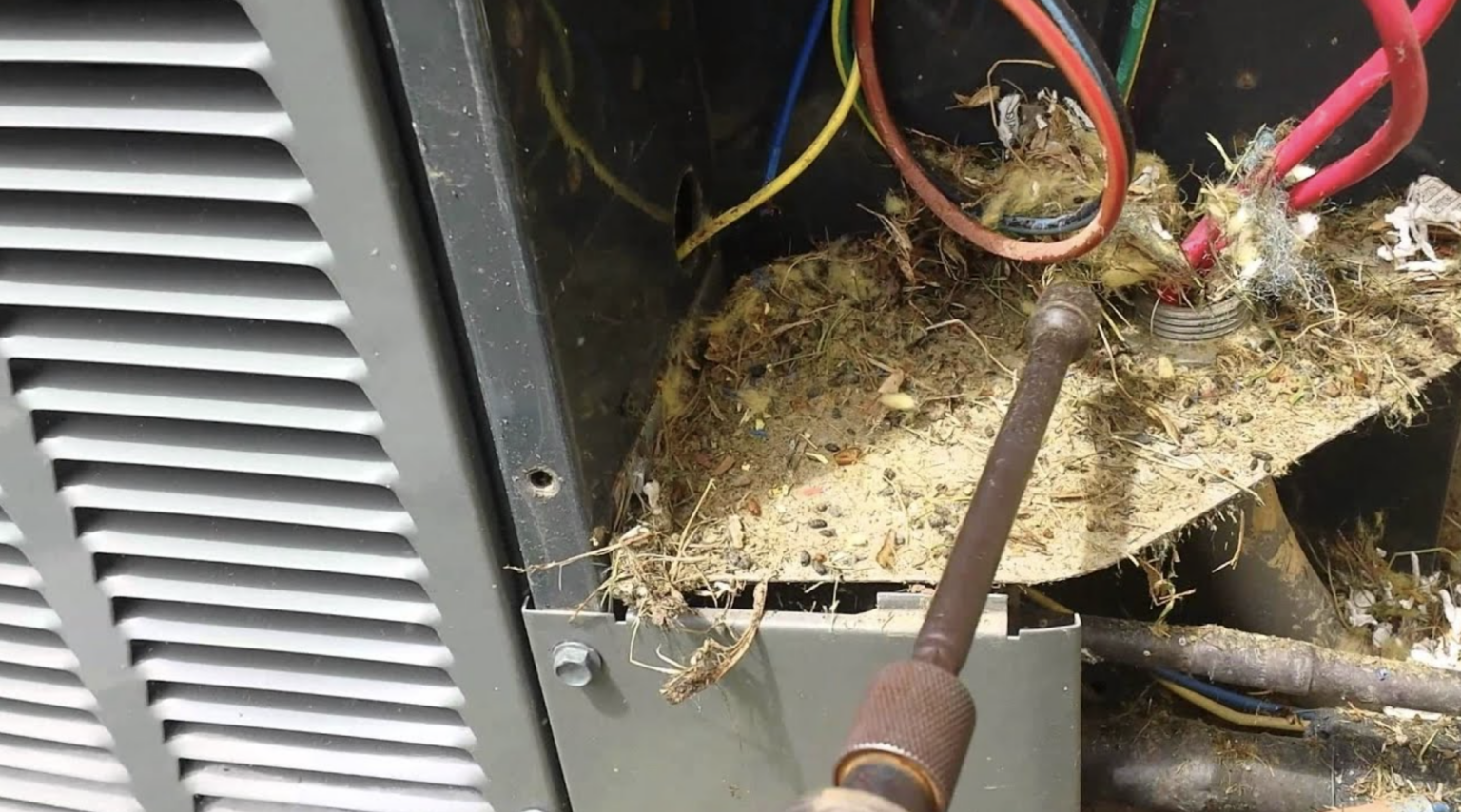
Before summer hits, it is important to check your A/C unit for any pests that may have taken up residence. Pests like rodents, insects, and other small animals can cause significant damage to your air conditioning system if they are able to get inside. It is best to check the outdoor unit of your A/C first and make sure there are no visible signs of pests. If you notice any activity or nests near the unit, it is a good idea to contact a professional pest control service to handle the issue. Once the pests are dealt with, you should also inspect the interior of your air conditioner to make sure none of them made their way inside. Finally, make sure to clean up any droppings from around the unit as this could attract more pests in the future.

Smart Thermostats Franklin Indiana

5) Test Your A/C

When it comes to getting ready for the hot summer days, testing your A/C unit is one of the most important things you can do. You can easily test the unit by turning it on and setting it to a comfortable temperature. If the air coming out of the vents isn’t cool enough, then it’s time to call in a professional to check and possibly replace any worn-out parts. Another good practice is to check the ductwork for leaks or obstructions that could be hampering the airflow. Remember, having a functioning A/C unit is essential for beating the heat during summer. Taking the necessary steps to ensure it’s in working order can save you money and energy in the long run.
From having your A/C serviced to testing, it’s vital to follow these guidelines to keep your home comfortable all season long. Neglecting these maintenance tasks can cause serious trouble down the road, so by following these simple steps, you are ensuring a long life for your A/C unit. Our Dugan team is prepared to help you get this checklist accomplished with a comprehensive A/C Tune-Up. Be sure to call to get your appointment before you’re fighting the summer heat!

Are These Pests Lurking in Your A/C?

Rodents in Your A/C

Are there pesky critters living in your air conditioner unit? Believe it or not, there are a variety of pests that enjoy the warm and comfortable environment created inside your A/c. Not only can these pests cause damage to your unit, but they can also bring diseases or allergens into your home. In this blog post, we’ll discuss the most common types of pests found infesting your A/C unit, as well as how you can get rid of them. Keep reading to learn more!

Rodent Damage To A/C Unit

Why pests love A/C units

The warm temperatures and humid environment inside your air conditioner are the perfect conditions for pests to thrive. Pests, such as cockroaches, spiders, ants, and rodents, all enjoy the dark, sheltered space that an A/C unit provides. Additionally, if food is left behind in the unit, it can be a magnet for pests.

In addition, pests love to nest in the insulation around the air conditioner, using it as protection from predators and harsh weather. The presence of water from condensation also helps some species of pests to survive and breed inside of your A/C unit. All these factors contribute to why pests are drawn to A/C units and why it’s important to keep your A/C unit regularly serviced and inspected for any signs of infestation.

Bees Living in Your A/C

Common A/C Unit Pests in Indiana

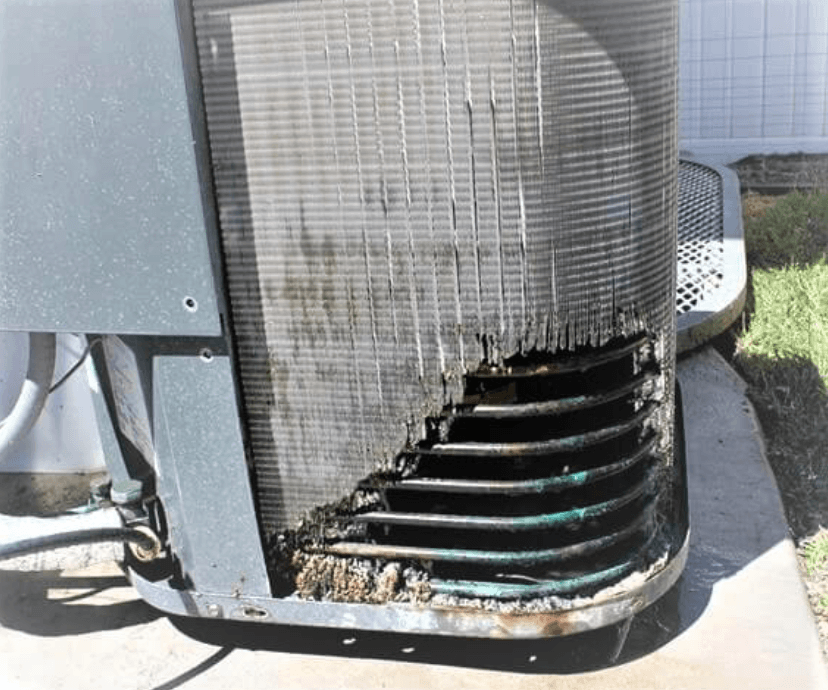
Pests, such as rodents and insects love to take shelter in your A/C unit. Common culprits in Indiana include mice, rats, carpenter ants, spiders, termites, silverfish, and centipedes. All of these critters are attracted to the warm environment found inside your air conditioning system. Mice are the most common of the bunch and can easily gain access through small openings and crevices near the outside of your A/C unit. They typically chew through wires, which can cause costly damage.

Additionally, mice droppings and urine can cause bad odors and health hazards. Carpenter ants are wood-destroying insects that can enter your A/C unit through cracks and crevices in the walls. Because they prefer soft wood, you will often find them nesting within the insulation of your system. Spiders tend to build webs around filters and vents, while cockroaches hide inside wall cavities, ducts, and other dark places. All of these pests can cause unpleasant odors and health risks.

Pest Damage To Your Franklin, IN A/C Unit

Think You Might Have an Infestation?

The best way to address pests in your A/C unit is by taking preventative measures. The first step is to regularly inspect the exterior of your A/C unit and make sure that there are no cracks or crevices where pests can enter. Additionally, make sure to repair any cracks in the foundation of your home or buildings that may be near the A/C unit, as these can be entry points for pests.

It’s also a good idea to have your A/C unit inspected and serviced regularly to make sure that it’s working properly and efficiently. This will help ensure that any problems or issues with the A/C unit are taken care of before they become a bigger problem. Finally, make sure to clean out the air filter of your A/C unit on a regular basis, as this can help reduce the number of pests that can enter.
If you are faced with pests, a Dugan Air technician can help. They will assess the damage and suggest the best course of action.

It is important to regularly inspect your A/C unit for any signs of pests and to contact a professional for help with infestations. By taking proactive measures to prevent and address pest issues, you can help keep your A/C unit running smoothly for many years to come. By following these steps, you can help keep pests from entering and infesting your A/C unit and protect it from potential damage.

Dugan Air is always here to help when A/C issues arise. If you fear you may have an issue or infestation, call our team right away.

Can UV Lights Zap Away Mold?

Homeowners in Franklin, Indiana, who are dealing with mold issues may have heard that ultraviolet lights and lamps are an efficient way to kill mold. However, does simply plugging in ultraviolet light (UV) lamp make mold problems disappear?

What Is Ultraviolet Light?

UV light is a form of electromagnetic (EM) radiation. It burns human skin, causing a tan or sunburn, making black light posters and fish glow. In addition, ultraviolet radiation can destroy chemical bonds between atoms. This characteristic of ultraviolet light is essential when discussing its ability to kill mold because it allows ultraviolet light to damage living tissues and other materials.

Ultraviolet light sits in the EM spectrum right between x-rays and visible light. Therefore, ultraviolet light is typically separated into three subbands. They are UVA, UVB, and UVC.

Ultraviolet radiation has the power to destroy chemical bonds. In addition, it can cause ionization, the process of electrons separating from atoms. This characteristic of ultraviolet light is essential when discussing its ability to destroy mold because it allows ultraviolet light to damage living tissues and other materials.

Does All UV Light Kill Mold?

The shortwave UVC ultraviolet energy is the farthest away from the light you can see. Its wavelengths are shorter than the rays in sunlight, giving it germicidal effects and making it the most effective in killing mold. Typically, shortwave ultraviolet light falls within 255nm through 280nm, destroys existing mold, and prevents future mold growth. The higher intensity of the UV light, the more effective the light will be at killing mold.

It will take a UV light between one and three hours to kill mold and can eradicate up to 99.9% of existing mold cells. UV lights work well when coupled with different mold remediation and removal efforts and can be combined with other procedures to create 100% removal of mold spores.

What Is the Best Practice for Using a UV Light to Kill Mold?

Calling in a professional to kill a mold infestation is always the best practice. They will prepare before using a UV lamp to remove mold by obtaining and wearing UV-protectant safety glasses and clothing. Even with UV glasses, looking directly at the light once turned on can be dangerous, so allow the professional to work in the prepared space. While handling a UV bulb, wearing protective equipment is vital to prevent skin damage; ensure that your professional takes all the proper precautions to protect themselves including wearing non-latex gloves covered with simple cotton gloves.

After the safety gear is prepared, a professional will remove as much physical mold as possible. Wearing a mask to reduce mold inhalation is essential, even for bystanders. Professionals set up a containment area with increased airflow and separation from the rest of the building before they begin.

The UV lights will be placed close to the mold treatment area. The treatment begins by blocking natural and artificial light, allowing only the UV lighting to ‘feed’ the mold. The UV light will be left on for at least two hours and then repositioned to attack the mold from a different angle. This process is repeated in every part of the home where mold spores exist.

Coupling UV Lights With Air Purifiers

Air purifiers can protect the health of your home’s occupants by sanitizing and purifying the indoor air and removing up to 99% of biological contaminants. These include airborne viruses and bacteria that can make a home’s occupants sick.

When coupled with UV lights, an air purifier can destroy the microscopic particles that are dangerous to people’s health. This means the occupants may be able to breathe better and enjoy cleaner air. In addition to removing dust and pollen, an air filter coupled with UV lights can remove up to 99% of mold spores from the air.

Your Heating and Cooling Company in Franklin

At Dugan Heating Cooling, we are proud to bring the best in comfort to customers in our area. We provide a premium service with no shenanigans. We use NATE-certified technicians, are EPA certified, and offer proven results.

Our services include HVAC repair, replacement, and maintenance. In addition, we install heat pumps and ductless AC and offer air filters, cleaners, and UV lights. Contact Dugan Heating Cooling today to work with a crew committed to keeping you and your family comfortable in Franklin.

Your Ductless AC Questions Answered

Older homes have unique heating and cooling needs. Many of these homes weren’t designed with ductwork in mind, making it difficult and expensive to retrofit them for a central air system. Fortunately, there is a solution: ductless AC systems. This system is perfect for older homes, providing efficient and effective cooling without the need for complex installation. In this blog post, we’ll discuss the many benefits of ductless AC systems and why they’re the ideal choice for older homes.

Mini Ductless in Franklin, IN

What is Ductless AC?

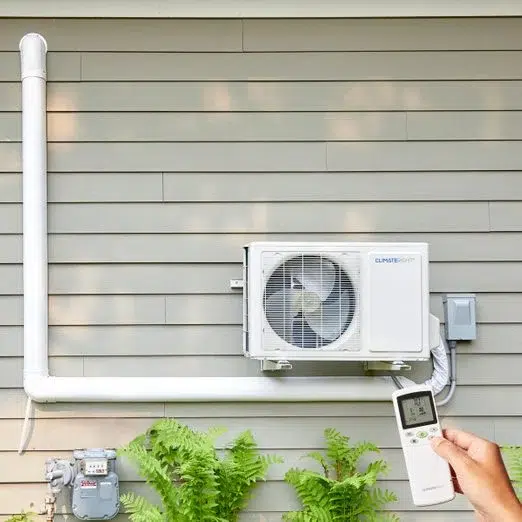
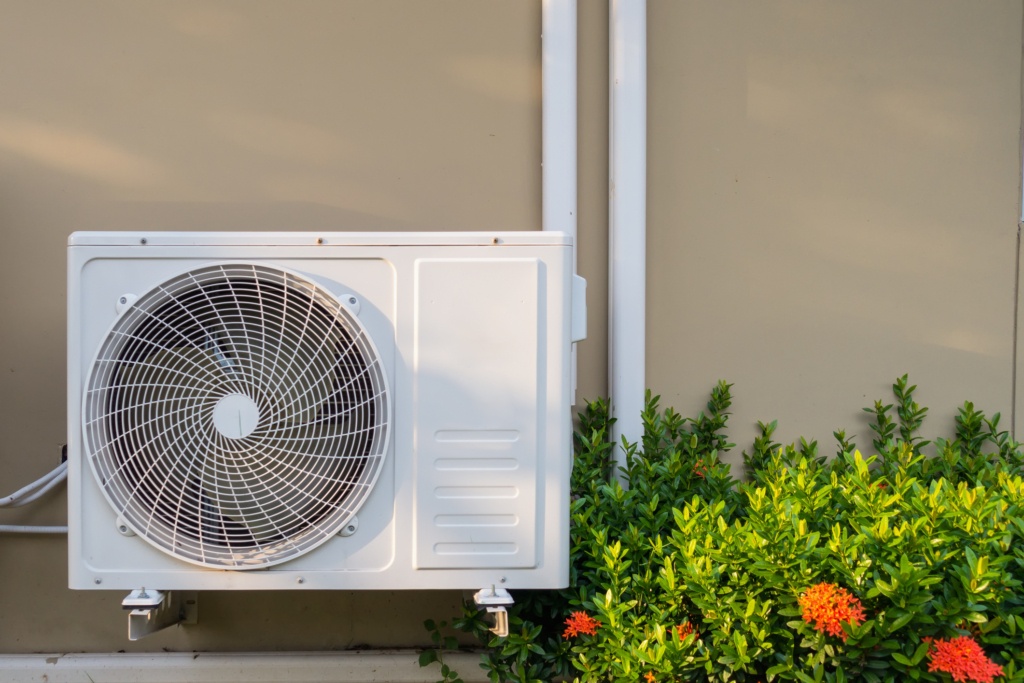
A ductless air conditioning system, also known as a split system or mini-split, is a type of cooling system that uses two units, one indoor and one outdoor. The indoor unit consists of an evaporator, which absorbs heat from the air, and a fan to circulate the cooled air. The outdoor unit consists of a compressor, condenser, and expansion valve. Unlike traditional air conditioners, ductless AC systems do not use ductwork to distribute the cooled air throughout the home. Instead, the cooled air is distributed through strategically placed air handlers, making them a great choice for homes older than 50 years that are without existing ductwork. Ductless AC systems offer superior cooling capabilities, improved energy efficiency, and increased indoor comfort levels compared to traditional cooling systems.

Mini Duct Installation in Franklin, IN

How Does a Ductless AC System Work?

A ductless air conditioning system, also known as a mini-split or split-ductless AC system, is an efficient and cost-effective solution for cooling or heating your home. Unlike traditional central air systems, a ductless AC system does not require the installation of ductwork to operate. Instead, the unit is made up of two components: an outdoor compressor/condenser and an indoor air handling unit. The outdoor compressor/condenser contains the refrigerant and is responsible for converting the hot air in your home into cool air that’s circulated indoors. The indoor air handling unit is connected to the outdoor unit by electrical wiring and tubing that run through a small hole in your wall. This indoor unit then circulates the cooled air through a series of vents located throughout your home.

The great thing about ductless AC systems is that you have complete control over the temperature in any room of your home. With a traditional central AC system, you need to adjust the thermostat in one room and hope that it affects the entire house. With a ductless system, you can adjust the temperature of each room individually by using the remote control or thermostat on the indoor air handling unit. You can even pre-set different temperatures for different rooms at different times of day, giving you greater control and convenience.

Ductless Mini Split in Franklin, IN

How Do I Choose the Right Ductless AC System?

When choosing a ductless AC system for your older home, it’s important to consider a few key factors. First, you need to consider the size of your space. The larger the space, the larger the system will need to be. Make sure that the size of the system is correct for the room that it will be cooling. Next, you should consider the climate in your area. Different systems are designed to cool different climates. Make sure that the system you choose is suitable for the climate where you live. Additionally, you should check the energy efficiency of the system you choose. A higher-efficiency system will help you save on energy costs in the long run.

Cooling Installation in Franklin, IN

What is the Cost of Installing Ductless AC?

What is the cost of a ductless mini-split system? The cost of a ductless mini-split system will vary depending on the size of the system, the type of unit you choose, and where you live. Generally speaking, the cost of a mini-split AC system ranges from $1,500 to $4,000, not including labor and installation costs. The cost to install a new central AC system is $3,800 to $7,500. Your home’s size and location will be the biggest factors in determining the overall cost of your ductless mini-split system. In the end, investing in a ductless mini-split system can be a great way to maintain optimal temperatures in your home while saving money on energy bills over time. Knowing the total cost of a ductless mini-split system before you purchase one can help you make an informed decision when selecting an HVAC system for your home.

Heating Installation in Franklin, IN

Will the Value of my Home Go Up if I install Ductless AC?

The installation of a ductless air conditioning system can have a major impact on the value of your home. Not only does it improve the functionality of the home, but it also adds to the overall value of the property. The addition of a ductless air conditioning system can increase the home’s value in many ways. One of the most obvious is its energy-efficiency rating. By having a ductless AC system installed, you’ll reduce your energy bills each month and make your home more attractive to buyers. Additionally, many states offer energy tax credits for installing a ductless system, which further increases its value. Improved air quality can provide greater comfort for occupants and make the property more attractive to potential buyers. Overall, the installation of a ductless AC system can have a huge impact on the value of your home. Not only will it reduce your energy bills and improve air quality, but it can also make your home more attractive to potential buyers. Investing in a ductless AC system can be a great way to add value to your home and improve its appeal.

Choosing the right Ductless AC system for your older home is an important decision and not one to be taken lightly. If you thought installing AC in your older home was impossible, we are excited to bring you this great technology that offers custom climate control for your whole home. Our team at Dugan is ready to help you have a comfortable and enjoyable summer. Call us today to learn more.

3 Reasons Homeowners are Installing Ductless AC in their Older Home

Are you considering installing A/C but worried about losing the charm of your older home? If so, then ductless A/C is the best option for you. Ductless A/C systems are gaining popularity due to how well they lend themselves to older homes. This newer technology gives homeowners the ability to preserve the charm they love while also customizing their home’s comfort in new ways that can even save money. In this blog post, we will discuss three of the top reasons why ductless A/C systems are the way to go for your home.

AC in Franklin, IN

Preserve Your Home’s Charm

Say goodbye to window units! If you live in an older home, you may find that it has a unique charm and character that you wouldn’t want to lose by installing unsightly window units every summer. Ductless A/C systems offer an alternative solution that can help you preserve your home’s charm. A ductless system is designed to work with the existing architecture of your home rather than alter it. It consists of a wall-mounted indoor unit and an outdoor compressor, so there’s no need for a complex network of ducts or large equipment that could disrupt the appearance of your home. This is great for preserving the natural charm of an older home while still giving you the comfort and convenience of climate control.

Heating in Franklin, IN

Eliminate Hot Cold Spots

Homes older than 50 years tend to experience drastic temperature differences due to inefficient seals or aging insulation. The resulting hot and cold spots can cause homeowners major discomfort. Ductless A/C can help eliminate hot and cold spots in your home because it works by using a series of small, individually operated units to evenly distribute cool air. Each individual unit is mounted on an interior wall and has its own independent thermostat, so you can adjust the temperature in each room individually. This makes it easier to keep your home comfortable and eliminates the problem of hot and cold spots.

Cooling Installation in Franklin, IN

Cost-Effective Efficiency

When it comes to cooling your home, energy efficiency is one of the most important factors to consider. By installing ductless A/C in your older home, you can take advantage of its cost-effective efficiency. Ductless A/C systems are much more efficient than traditional A/C systems that rely on ducts to carry cool air through the home. As we learned earlier, Ductless systems do not require ductwork, so they are much less prone to energy loss due to leaky ducts. This means that less energy is wasted as the cooled air is delivered to the various rooms in your home. In addition, many ductless A/C systems come with inverter technology that allows the unit to automatically adjust its speed and power output to maintain a comfortable temperature. This eliminates any unnecessary use of energy and ensures that your cooling system runs as efficiently as possible. When combined with other energy-efficient features, such as programmable thermostats and high-efficiency filters, a ductless A/C system can help you save money and enjoy the latest comfort technology in your older home.

Gone are the days of unsightly window units running your beautiful home’s curb appeal! You no longer have to trade charm for comfort when the temperatures start to rise. Our Dugan team is ready to help you enjoy a much more comfortable summer in your beautiful older home with a new Ductless AC system. Call our team today!

Unlocking the Potential of Home Comfort: Smart Wi-Fi Thermostats

A smart Wi-Fi thermostat is designed to work with a home’s existing Wi-Fi network. It is a device that can be controlled remotely using a smartphone, tablet, or computer. With a smart Wi-Fi thermostat, you can easily adjust your home’s temperature from anywhere, at any time. This allows you to keep your house comfortable and save energy, even when you’re away from home. This technology provides convenience and control that traditional thermostats can’t match. Here is what it can do:

Learning

A smart Wi-Fi thermostat can learn and adapt to your heating and cooling habits over time. This learning feature is one of the many benefits of a smart Wi-Fi thermostat that can greatly enhance your overall home comfort and energy efficiency.

A smart Wi-Fi thermostat learns by tracking your temperature adjustments and creating a heating and cooling schedule based on those adjustments. For example, say you typically lower the temperature in your home at night and raise it in the morning. The smart Wi-Fi thermostat will automatically create a schedule to reflect these changes and adjust it as your habits change.

Voice Controls

This feature lets you control your home’s heating and cooling system simply by speaking, without ever having to lift a finger. Voice control technology has become increasingly popular recently, and smart Wi-Fi thermostats are no exception. With voice commands, you can quickly and easily adjust your home’s temperature. This is especially convenient when your hands are full, making it difficult to access the thermostat physically.

With a simple voice command, you can turn up the heat, turn down the air conditioning, or even change the temperature to a specific setting. Smart Wi-Fi thermostats that support voice control typically integrate with popular virtual assistants such as Amazon Alexa or Google Assistant. You can control your home’s temperature by simply giving a command like “Alexa, turn up the heat.”

Energy Tracking

Energy tracking refers to the process of monitoring and measuring the consumption of energy in a building or home. One of the most effective ways to do this is using a smart Wi-Fi thermostat.

The device can monitor the energy consumption in a home and provide detailed reports on the amount of energy used, when it is used, and what appliances or systems are using the most energy. You can use this information to identify areas where energy is being wasted and make adjustments to reduce your consumption.

Geofencing

A smart Wi-Fi thermostat with geofencing can use your smartphone’s GPS location to determine when you are away from home and automatically adjust the temperature accordingly.

One of the key benefits of geofencing with a smart Wi-Fi thermostat is that it can help reduce energy waste and lower utility bills. When you are away from home, a smart Wi-Fi thermostat can be programmed to automatically lower the temperature, reducing the energy consumed by your heating and cooling system. This can result in significant energy savings if you are frequently away from home for long periods.

Smart Home Automation

Smart Wi-Fi thermostats can also be integrated with other smart home devices, such as smart lights and smart locks, to create a fully automated and energy-efficient home. For example, you can set up your smart Wi-Fi thermostat to turn off the lights and lower the temperature in your home when you lock the front door, maximizing energy savings and convenience.

Another benefit of smart home automation is that you can customize it to your specific needs and preferences. For example, you can set up your smart home devices to work together in specific ways, such as turning on the lights when you enter a room and turning them off when you leave. You can also create specific routines that activate multiple smart home devices with a single command, such as “Good morning” or “Good night.”

Conclusion

Dugan Air Heating & Cooling is a well-known and respected HVAC company that provides a wide range of heating, cooling, and indoor air quality services to homeowners and businesses in Franklin, IN and the surrounding area. Founded on the principles of quality workmanship, exceptional customer service, and affordable pricing, we have become a leading provider of HVAC services in the region. Contact our team at Dugan Air Heating & Cooling today for more information.

Do UV Lights Support Indoor Air Quality?

Ultraviolet (UV) lights are widely used in HVAC systems to disinfect the air. UV light can kill or inactivate bacteria, viruses, and other germs that are known to cause disease. It disrupts the cell walls of such microorganisms so they cannot reproduce and spread infection in the air. Additionally, HVAC systems containing special UV filters trap microorganisms effectively.

How UV Lights Keep Your Home’s Air Clean

UV lights in an HVAC system are a great way to purify the air in your home and prevent mold growth in your air ducts. These ultraviolet lights emit short-wavelength radiation. The light kills or disables fungi and bacteria as it passes through the system. This powerful technology helps to keep the air quality clean and healthy.

It simultaneously deactivates allergens like pollen, dust mites, and pet dander. This reduces the risk of allergies, asthma, and other respiratory illnesses. A technician installs the UV filter directly inside the ductwork or near your furnace and air conditioner.

The Right Size and Type of UV Light

When buying a UV light for your HVAC system, ensure that you get the right size and type. Talk to an expert if you need advice or have questions about installation and safety procedures. The two main types of UV lights used in HVAC systems are UVC (ultraviolet C) and UVV (ultraviolet V).

Benefits of UVC vs. UVV

A form of light with a wavelength of 200 to 280 nanometers with many uses in HVAC systems, UVC effectively controls indoor air pollutants, reducing the spread of harmful bacteria and viruses via the air. The UVC energy emitted from these HVAC systems helps break down organic components. It dilutes many bacteria, making it harder for harmful pathogens to survive. UVC offers many advantages over traditional HVAC filtration methods.

UVV light has a wavelength that spans from 395 to 455 nanometers. UVV can degrade chemicals, including volatile organic compounds (VOCs), which are known to cause poor indoor air quality. This wavelength of light can also oxidize odors into inoffensive byproducts. Therefore, using a UV filtration system that combines UVC and UVV light can eliminate a full range of indoor air quality issues.

Other Benefits of Installing UV Lights

Using UV lights in HVAC systems increases the efficiency of the system. As germs, viruses, and other particles are killed off by the radiation emitted, their presence in the system is greatly reduced. Less energy is needed to regulate the temperature and circulate the air appropriately. The potential for increased efficiency of HVAC systems is often overlooked. UV radiation can sterilize coils, filters, and vents, thus reducing energy consumption.

UV lights prevent the accumulation of dust and other particles in an HVAC system. They also extend the system’s lifespan by reducing the wear and tear on its components. This can save you money because a well-maintained system will last longer and require fewer repairs. UV radiation is easy to install and low maintenance, so you don’t have to worry about constantly cleaning or replacing parts.

Mold growth can be a major concern for indoor air quality. UV lights effectively kill off mold spores that may have settled onto the surfaces of the HVAC system. This prevents the establishment of mold colonies that can lead to various health issues and costs for remediation.

By killing off germs, viruses, and other pollutants with UV lights, you can reduce the need to use chemical cleaners in your home or office. This benefits the environment and your health, as these products are often hazardous.

Contact Our HVAC Experts Today

HVAC systems are found in many buildings, providing sufficient cooling, heating, and ventilation. That’s why it’s important to ensure that your HVAC system runs at its best. Installing UV lights in HVAC systems is one of the best ways to ensure optimal performance with minimal maintenance.

If you want to learn more about UV lights and other ways to improve your indoor air quality, our team at Dugan Air Heating Cooling can help. We install UV lights, as well as air purifiers, humidifiers, and dehumidifiers. Our technicians also provide installation, repair, and maintenance for furnaces, air conditioners, heat pumps, and mini-split systems. We’re even available for emergency repair services throughout Franklin and the surrounding area. Contact us today to schedule an appointment.

Schedule Now

"*" indicates required fields

This field is for validation purposes and should be left unchanged.