Author: Kevin

The Truth About “Free Furnace With Purchase of Air Conditioner” Deals

The Truth About “Free Furnace With Purchase of Air Conditioner” Deals

Key Takeaways

  • Some HVAC companies advertise “buy-one-get-one-free” deals that tempt customers but are often too good to be true.
  • Nothing in HVAC is ever free, and the unit cost is often offset by higher labor costs, additional fees, or higher interest rates. 
  • When exploring HVAC offers, always ask for a clear quote that breaks down equipment costs, labor fees, and any additional charges. 
  • At Dugan Air, we pride ourselves on offering honest pricing and upfront quotes to help Indiana homeowners make informed decisions about their homes. 

Do “Free Furnace” and BOGO HVAC Deals Really Save You Money?

As you shop around for new HVAC equipment, you might notice some companies advertising a “free furnace with the purchase of an air conditioner.” While this may seem like an offer you can’t pass up, it’s important to understand what you’re really getting with deals like this. 

The furnace they’re installing isn’t actually free. Its cost is simply built in somewhere else. They might only offer this deal if you purchase a high-end AC, increase their labor costs, or add high-interest rates to your financing plan. In this guide, we’ll break down how these “free furnace with AC” deals actually work and what to look for to make sure you’re truly getting the best deal for your HVAC installation.

What Goes Into the Cost of HVAC Installation

When you receive a quote for HVAC installation, you’ll often notice it broken down into several categories. While many homeowners focus on equipment costs, several other factors drive the final price. Understanding the factors that drive HVAC installation costs can help you compare quotes and find the best value for your home. 

When installing new HVAC equipment, expect to see charges for:

  • Equipment: The cost of the furnace, air conditioner, ductless system, or heat pump, with prices varying by brand, model, and efficiency rating. 
  • Labor: Installation costs based on the job’s complexity, the time required, and the number of contractors. 
  • Ductwork and modifications: If your home’s ductwork requires repairs, replacements, or adjustments, expect additional fees for labor and materials. 
  • Permits and inspections: Many HVAC installations require permits and inspections to ensure the job complies with local building codes. 
  • Additional components: Equipment such as a thermostat, zoning system, or air filter may be offered as optional add-ons. 
  • Labor warranties: HVAC companies often offer extended warranties and service plans to protect your investment and keep your system running in top condition. 

Where the Cost Gets Buried in “Buy One, Get One Free” HVAC Deals

When you see a company advertising a “buy a furnace, get an air conditioner free” HVAC offer, think twice. Technically, you might receive the unit for free, but there’s a hidden cost involved. HVAC companies often require homeowners to purchase the highest-end model of the paired unit and pay elevated labor and installation fees, bringing the total cost in line with what you would pay if you bought both separately. 

Presenting the pricing for both units as a bundle can make it challenging to determine the true cost. The company may simply present a final cost without breaking down line items, making it difficult to identify where the extra charges are hidden. If you’re using a financing plan, they may even tie in higher interest rates that increase your long-term cost. Ultimately, what seems like a “free” unit is often just part of a larger, more expensive package.

What Transparent HVAC Pricing Actually Looks Like

When working with a reputable HVAC company, you should receive a transparent quote that breaks down exactly what you’re paying for. Instead of bundling everything into a single deal, you should see separate, easy-to-understand line items. You’ll see the cost of each unit, labor and installation fees, ductwork modifications, and permit costs broken down one by one. Items such as thermostats and zoning systems should be clearly itemized and presented as add-on options, rather than automatically included in the final price without explanation. 

If you’re financing the installation, the company should provide a clear breakdown of your interest rates, payment schedule, and any associated fees so you can calculate your total costs over time. Keep an eye out for hidden charges or high interest that could end up costing you more in the long run. 

Honest pricing allows homeowners to shop around and compare quotes to make the best decision for their home and budget. It helps build trust with your HVAC contractor, giving you peace of mind that you won’t be charged hidden fees or run into unexpected costs down the line.

Dugan Air’s Stance on “Free Furnace” and “Free AC” Promotions

At Dugan Air, we don’t believe in inflating labor or product pricing to create so-called “freebies.” When you inquire about HVAC installation or replacement with our experts, you’ll receive a clear, itemized quote that breaks down exactly what you’re paying for. Our goal is to build long-term trust with your customers, rather than offer “buy a furnace, get an AC free” promotions that are too good to be true and simply disguise true costs.

Whether you’re looking for a new heater, a new cooling system, or both, we’ll work with you to find the best unit for your household needs and budget. We’ll evaluate your house size, layout, and HVAC needs and walk you through the best options to help you make an informed decision for your Indiana home. If an unexpected issue or additional cost arises during installation, we’ll stop work and clearly communicate the change before continuing. 

How Homeowners Can Protect Themselves When Evaluating HVAC Promotions

As you explore HVAC promotions, do your due diligence to ensure you’re getting the best deal. Always ask for the contractor’s credentials and get a clear, itemized quote that breaks down the cost of all equipment, labor, and additional fees. If they refuse to provide a detailed breakdown, take it as a red flag. 

Before moving forward with an offer, shop around and get at least three estimates from different companies to compare pricing, equipment, and warranties. With clear information, you can make an informed decision and avoid overpaying for a deal that may not be as good as it seems.

Contact Dugan Air to receive a Clear, Upfront HVAC Quote

Considering an HVAC upgrade? Contact our team today to receive a free, no-obligation quote that breaks down your costs upfront. We’ll help you understand your options, compare heating and cooling systems, and find a solution that fits your budget, without hidden fees or unexpected surprises. 

With decades of experience providing top-quality HVAC services for Indiana homeowners, you can count on our team to deliver reliable, professional service that’s free of gimmicks. We pride ourselves on delivering clear communication, honest pricing, and five-star solutions that enhance your home’s comfort and efficiency. For more information, contact us online.

Banner reads " How to finance a new heating and air conditioning in Indiana" with the Dugan Air Heating & Cooling logo at the top right. Background features buildings and trees, highlighting heating and air conditioning financing Indiana options.

How to Finance a New Heating and Air Conditioning in Indiana?

Everyone deserves a comfortable home. But of course, the HVAC units that we rely on to make that possible don’t come cheap, especially if you value having systems that run efficiently, effectively, and for many years. In this quick guide, we’ll explain how to finance a new heating and air conditioning system for your Indiana home, ensuring you can get the systems you need without breaking the bank.

HVAC Financing in Indiana

  • HVAC financing helps make essential heating and cooling installations and upgrades affordable for Indiana homeowners.
  • For many people, HVAC financing is the best way to get access to reliable, high-efficiency furnaces, boilers, heat pumps, and air conditioners.
  • HVAC financing typically covers the system itself, installation labor, fees, and, in some cases, extended warranties.
  • HVAC financing typically requires a credit score between 600 and 700.
  • In addition to financing from your HVAC dealer, you can also get access to federal and state rebates, incentives, and tax credits for more savings.
  • Dugan Air, Heating & Cooling is proud to offer flexible, affordable financing for homeowners in Indiana looking to upgrade their HVAC systems.

How Much Does a New Furnace or HVAC System Cost in Indiana?

If you’ve ever been quoted to replace a furnace or other HVAC system, you may have been a little shocked. Depending on your home’s size and other factors, the cost of a new furnace ranges from $3,000 to $8,000. Air conditioner installation will run you anywhere from $7,000 to $20,000, and installing a heat pump costs $4,500 to $11,000. This is money that many homeowners don’t have on hand, which is where new HVAC system financing comes in. 

Can You Finance a New HVAC System?

When you consider how much a furnace costs compared to how essential it is during those cold Indiana winters, you can see why so many homeowners opt to finance new HVAC systems rather than purchasing them outright. After all, a day on the slopes at Paoli Peaks just doesn’t sound like much fun when your home is just as cold as the mountain!

For many, the answer is financing new HVAC systems. This dramatically lowers the upfront cost of these units, breaking up the total into small, affordable payments over several months. This is ideal for people upgrading to a two-stage furnace or investing in a more energy-efficient heating system, since you’ll also be accessing efficiency savings with your new unit.

How to Finance a New Heating and Air Conditioning

Securing financing for HVAC units begins with selecting the unit you need. A professional can inspect your home and perform the necessary calculations to determine the size of the air conditioner or heater you need. From here, you’ll consider other variables, such as efficiency, to identify the right option for your needs. Then, you apply for financing through your HVAC service provider. If approved, the unit is installed as usual and paid for on a payment plan.

What HVAC Financing Typically Covers

When you work with an HVAC company with financing, you can expect the payment plan to cover the cost of the unit itself, as well as installation labor, and any other associated fees, such as permits and inspection fees. Some HVAC financing even covers labor and parts warranties, adding even more value and peace of mind that you won’t need to replace your furnace (again) anytime soon.

Common HVAC Financing Options Available in Indiana

We’ve looked at whether you can finance a new HVAC system, but what are your options for actually getting that financing? In Indiana, homeowners looking to upgrade their HVAC systems have access to a few financing options, including:

  • Dealer financing through HVAC service providers, like Dugan Air, Heating & Cooling
  • Manufacturer financing offered in partnership with banks
  • Home equity line of credit (HELOC)

Of course, you can also technically finance your HVAC system in other ways, such as putting it on your credit card or getting a personal loan. Depending on your income, you may also qualify for special grants and loans to make energy efficiency upgrades more accessible, helping to reduce those winter heating bills. 

Indiana Rebates, Tax Credits, and Incentives That Can Lower Your Cost

There are a number of useful rebates, tax credits, and other incentives for investing in efficient HVAC equipment. When chosen carefully, these can dramatically reduce your overall costs, saving you money on the systems you need. 

There are a few federal incentives available, including 50%-100% coverage for ENERGY STAR HVAC appliances. You can also get federal tax credits for up to 30% of the costs of insulation, air sealing, and other services that mitigate energy leakage. Additionally, you may qualify for annual incentives for high-efficiency HVAC systems through the Inflation Reduction Act.

In Indiana specifically, you may be able to access certain rebates and incentives for HVAC system upgrades depending on your utility provider. Duke Energy Indiana offers several rebates for homeowners, for instance. Other potential rebates include:

  • Heat pump installation rebates
  • Natural gas furnace installation rebates
  • Natural gas boiler installation rebates
  • Rebates for AC and furnace tune-ups
  • AC installation rebates

How to Choose an HVAC Company With Financing

When searching for a company to assist with HVAC financing, look for providers that offer affordable payments and flexible terms. Always check their credit requirements for in-house financing, typically between 600 and 700. Additionally, confirm that a reputable financial partner, such as a bank or lender, provides the financing.

And of course, remember that financing isn’t the only green flag you should be looking for in an HVAC company. It’s just as important that you have faith in the skills and experience of your chosen company, and they should be just as comfortable helping you choose a ductless mini-split AC as walking you through your financing options.

Get the HVAC Systems You Need with Dugan Air

Heating and cooling equipment is expensive, but it doesn’t change the fact that it’s absolutely vital. If you’re tired of overpaying on every energy bill due to inefficiencies in the system, dealing with a suddenly shut-down HVAC unit, or simply want to enjoy the superior comfort and reliability of a modern system, Dugan Air, Heating & Cooling is here to help.

We offer flexible, affordable financing through GreenSky®, helping make even the most big-ticket HVAC purchases accessible to those who need them. With approved credit, you can pay off your new system in monthly installments, subject to fair interest rates and flexible terms. For more information on financing an HVAC system with help from the Dugan Air team, don’t hesitate to get in touch with us today.

A technician repairs a furnace with text that reads, "Common Heating Problems in Older Indianapolis Homes," highlighting heating problems often found in older homes for Dugan Air Heating & Cooling.

Common Heating Problems in Older Indianapolis Homes

If you’re dealing with heating issues in an older home, you’re not alone. Many homeowners in historic neighborhoods across Indianapolis face unique challenges in keeping their homes warm during the winter. From outdated heating systems in old houses to poor insulation and inefficient ductwork, these properties require special attention. Learning to recognize these problems and knowing when to call for professional help can save money and keep your family comfortable all season long. 

Key Takeaways

  • Heating issues in older Indianapolis homes often stem from outdated equipment, poor insulation, and aging ductwork that wasn’t designed for modern efficiency standards.
  • An aging furnace may need significant repairs or complete replacement, especially if the system is more than 15 years old.
  • Uneven heating and cold spots are common in older properties due to inadequate insulation, leaky windows, and improperly sized heating systems.
  • Modern heating solutions like high-efficiency furnaces and ductless systems can be successfully installed in older homes to improve comfort and reduce energy costs.
  • Professional HVAC technicians can diagnose complex problems in old house heating systems and recommend the most cost-effective solutions.

Aging Heating Systems 

One of the most common problems in older Indianapolis homes is simply that the heating equipment has reached the end of its useful life. If your old house heater isn’t working efficiently, it might be time to consider your options. 

Here’s what to watch for in aging systems:

  • Frequent cycling on and off throughout the day.
  • Rising utility costs despite similar usage patterns.
  • Difficulty maintaining set temperatures.
  • Rust, corrosion, or visible wear on the unit.
  • System age exceeding 15 to 20 years.

Furnace replacement or repair?

Many homeowners wonder whether they should repair or replace their furnace. The answer depends on the age of your system, the cost of repairs, and your long-term plans. If repair costs exceed 50% of the value of a new system, replacing your furnace usually makes more financial sense. A new high-efficiency model can reduce heating costs by up to 30% and require less frequent maintenance.

Uneven Heating and Cold Rooms 

Walk through any older Indianapolis home in winter, and you might notice temperature variations from room to room. 

Uneven heating in older properties has several potential causes, including:

  • Inadequate insulation in walls, attics, and crawl spaces. 
  • Single-pane windows and drafty doors.
  • Improperly sized heating equipment. 
  • Closed or blocked vents restricting airflow. 
  • Leaky or disconnected ductwork.

Solutions for better heat distribution 

Start by addressing air leaks around windows and doors, then have a professional evaluate your insulation levels. Sometimes, the problem lies with your ductwork, where gaps and disconnections allow heated air to escape into attics or crawlspaces.

If your home has adequate insulation but still suffers from cold rooms, consider installing a ductless mini-split system. These efficient units provide supplemental heating exactly where you need it without requiring extensive ductwork modifications. 

Frequent Furnace Breakdowns

Nothing is more frustrating than repeated service calls for the same heating problems. Older homes often experience recurring issues that signal deeper problems with the heating system. What starts as an occasional problem becomes a pattern of breakdowns. 

Common culprits include:

Preventive maintenance and long-term solutions

Regular maintenance can extend the life of an aging system, but there comes a point where throwing good money after bad doesn’t make sense. If you’re calling for heating services in Indianapolis multiple times per season, it’s time to have a conversation with your HVAC technician about possible replacement.

Don’t neglect simple maintenance tasks like: 

  • Checking for furnace noises that indicate developing problems.
  • Watching your furnace pilot light for changes in color or stability.
  • Changing furnace filters at least every three months.

Severe airflow restrictions from extremely dirty filters can also cause safety switches to trip. If you’re experiencing repeated shutdowns or issues with your furnace freezing up, these problems require immediate professional attention to restore proper airflow and drainage.

Lack of Zoning or Smart Thermostat Compatibility 

Many older Indianapolis homes were built with a single thermostat controlling the entire house. This all-or-nothing approach wastes energy and leaves some rooms uncomfortable while others feel fine.

Modern thermostats offer programmable and smart features that weren’t available when most older homes were built. These devices learn your schedule, adjust temperatures automatically, and can be controlled remotely from your smartphone. 

Adding zones to existing systems 

Zoning divides your home into separate areas with independent temperature control. While retrofitting zones into an older home requires some work, the improved comfort and energy savings often justify the investment. 

Why Heating Problems Are Worse During Indianapolis Winters

Freezing winters put significant stress on heating systems in old houses. According to the National Weather Service, Indianapolis experiences an average of 37 days per year with temperatures below 20°F. These extended cold snaps force aging furnaces to run continuously, accelerating wear and exposing weaknesses that might not appear during milder weather.

When outdoor temperatures drop dramatically, inadequate insulation and air leakage become more apparent. The temperature difference between inside and outside creates pressure that drives cold air in through every crack and gap.

Older homes with original windows and minimal insulation struggle to maintain comfortable temperatures, forcing heating systems to work overtime. The combination of extreme cold and continuous operation means that minor problems quickly become major failures when your family needs heat most.

When Heating Issues Require a Professional HVAC Technician in Indianapolis

Some heating problems are straightforward enough for homeowners to handle, but most issues in older homes require professional expertise. Call Dugan Air if you experience:

  • Complete loss of heat during cold weather.
  • Strange odors coming from your HVAC system.
  • Visible cracks, rust, or damage to the furnace.
  • Carbon monoxide detector alarms.
  • Loud banging, grinding, or squealing sounds.
  • Frequent cycling or short cycling.
  • Yellow or flickering pilot light flames.
  • Dramatically increasing energy bills.

Professional HVAC technicians have the training, tools, and experience to diagnose complex problems in old house heating systems. They can identify issues that aren’t immediately obvious and recommend solutions that address root causes rather than just symptoms.

Some furnace repairs involve gas lines, electrical connections, or other components that are dangerous for untrained individuals to work on. Professional service protects your family’s safety, your product warranties, and your investment in your home.

Get Your Old Home’s Heating Back on Track With Dugan Air

Older Indianapolis homes present unique heating challenges, but with the right approach, you can enjoy comfortable temperatures all winter long. Whether you’re dealing with an aging furnace or uneven heating that requires better insulation and ductwork, our NATE-certified technicians promise Golden Service with the right expertise to help. 

Don’t let another winter go by struggling with inadequate heat and high energy bills. Contact Dugan Air today to schedule a comprehensive heating system evaluation. We offer 24/7 emergency service, transparent pricing, and flexible financing options to make your heating upgrade affordable. Experience the Dugan Difference with Premium Service and No Shenanigans.

A furnace displays an error code on its panel, next to text reading "What Does the Furnace Error Code on Your Furnace Mean?" and a Dugan Air Heating & Cooling logo.

What Does the Error Code on Your Furnace Mean?

When a furnace stops producing heat, the small blinking light or digital message on the unit often provides the first clue to the underlying problem. Furnace error codes are built-in alerts that notify users when the system detects irregular operation, and each code corresponds to a specific error. By understanding how furnace error codes work and how to find and interpret model-specific furnace error codes, homeowners can respond quickly, call a professional, and restore heat to their homes.

Key Takeaways

  • Furnace error codes indicate a system condition that caused the furnace to pause or shut down for safety reasons.
  • Manufacturers use either blinking LED sequences or digital displays to communicate error codes.
  • Reading an error code provides guidance, but an accurate diagnosis requires professional testing and system evaluation.

Where to Find the Furnace Error Code

When a furnace stops heating, the error code is typically visible on the control board inside the furnace cabinet. Most furnaces house the control board behind the lower or upper access panel, which you can remove to view the indicator. Most systems use small LEDs that blink in specific patterns, while others display a short alphanumeric message on a digital screen.

How to Read Furnace Error Codes

Repeating blink patterns or display codes correspond to specific furnace fault categories. Since there are many potential codes, reading these signals requires you to observe the full blink sequence carefully, including pauses between flashes. Some codes indicate temporary issues that clear on their own, while others trigger a lockout that prevents the furnace from restarting without intervention.

Many manufacturers place a reference chart on the inside of the cabinet panel, allowing you to compare the light pattern or display to the listed codes. While reading the code provides a starting point, it doesn’t explain what caused the error and cannot constitute a complete diagnosis.

Common Furnace Error Codes and What They Mean

Furnace error codes fall into several categories, mainly related to safety systems, ignition processes, and airflow. These categories indicate the types of components involved, but they don’t necessarily identify the underlying cause of the problem.

Ignition failure codes

Ignition failure codes appear when the furnace burners are delayed or unable to ignite after startup. These codes may relate to the igniter, gas delivery, or flame verification process. After repeated failed attempts, the system often enters a lockout to prevent unsafe gas buildup, which can cause booming noises in the heater exchanger.

Pressure switch errors

Pressure switch errors signal a disruption in the exhaust or combustion air process. Blocked vent pipes, frozen condensate lines, or restricted airflow can prevent the pressure switch from closing properly.

Limit switch/overheating errors

Your furnace may display a limit switch or overheating code when it detects excessive heat buildup inside the heat exchanger. Clogged filters, aging ductwork, or insulation limitations can restrict airflow and trap heat, causing the system to shut down to protect internal components from thermal damage.

Flame sensor issues

The flame sensor is a safety component that verifies burner ignition and heating. If the sensor cannot reliably confirm burner flames during a heating cycle, it communicates with the control board and prompts the system to shut down. Flame sensor codes may originate from several components, such as the burner or gas valve. In other cases, your furnace may display a flame sensor error code due to a dirty or damaged sensor.

Venting or airflow problems

If your furnace displays venting or airflow-related codes, the heating system is likely experiencing minimal or restricted airflow. Damaged ducts, malfunctioning blower motors, clogged filters, and blocked vents can each trigger this type of code.

Brand-Specific Furnace Error Codes

Furnaces exhibit consistent error types and associated codes, but manufacturers often assign their own codes, and even models from the same manufacturer can use different codes. Some furnace manufacturers use LED blink patterns to indicate codes, while others use letters and numbers on digital displays. Since these codes aren’t universal, referencing another manufacturer’s codes can help with troubleshooting.

What Causes Furnace Error Codes in Indiana Winters?

Indiana winters feature cold snaps, rapid freeze-thaw cycles, and unpredictable conditions that place heavy demands on residential heating systems. Rapid drops in outdoor temperature affect ignition timing and pressure readings, especially in the early morning when furnaces operate at peak capacity.

High-efficiency gas furnaces, common in Indiana homes, produce condensate as part of normal operation, and freezing conditions often block condensate lines, triggering pressure-switch or drainage-related codes. Snow and ice accumulation around intake and exhaust pipes also interferes with airflow, causing shutdowns at inconvenient moments.

The characteristics of many homes in Indiana also affect furnace performance. Homes with deteriorating duct systems or insufficient insulation may prevent the furnace from properly distributing heat, resulting in uneven temperatures throughout your home and increased strain on the furnace.

How to Reset Furnace Error Codes (When It’s Safe)

A furnace reset may clear certain temporary codes, but it has a limited role in DIY troubleshooting. A reset doesn’t address underlying mechanical or airflow issues, and repeated resets can damage your furnace and mask serious safety issues.

The typical reset process includes:

  • Step one: Turn the thermostat to the off position.
  • Step two: Switch off the furnace’s power at the breaker or service switch.
  • Step three: Wait several minutes for the control board to fully power down.
  • Step four: Restore power and return the thermostat to a heating setting.

A one-time reset may restore operation after a brief power interruption or transient fault, but if the code returns, the furnace is signaling an ongoing condition that requires professional evaluation.

Why Furnace Error Codes Require Professional Diagnosis

Furnace error codes often point to symptoms rather than root causes and underlying failures, and different failures can trigger the same signals. Homeowners can try these fixes before calling a professional:

  • Replacing dirty air filters
  • Ensuring that vents are open and unobstructed
  • Checking the power supply and breakers
  • Inspecting and adjusting the thermostat as needed

If these efforts don’t resolve your furnace’s error codes, contact professionals to test airflow, electrical readings, gas pressure, and component performance. By factoring in information from furnace error codes, technicians identify the underlying problem and provide a lasting repair or replacement furnace.

At Dugan Air, our experience with Indiana heating systems allows us to identify how climate, duct, and other factors cause brand-specific furnace errors. Our team has the skills and knowledge to assist with:

  • Goodman furnace error codes
  • Trane furnace error codes
  • Amana furnace error codes
  • American Standard furnace error codes
  • Lennox furnace error codes
  • York furnace error codes
  • Bryant furnace error codes
  • Carrier furnace error codes

Schedule Furnace Repair With Dugan Air

Furnace error codes serve as early warnings that, when addressed correctly, help prevent larger system failures. If heating interruptions or error codes persist, contact us at Dugan Air for professional furnace services that ensure clear communication, safe heating, and dependable comfort throughout the winter.

Best HVAC System Upgrades for Two-Story Homes in Indiana

Best HVAC System Upgrades for Two-Story Homes in Indiana

Key Takeaways:

  • Two-story homes often struggle with temperature imbalances due to heat rising, poor air circulation, and single-zone HVAC systems trying to serve multiple levels.
  • Zoned HVAC systems are the most effective upgrade for eliminating hot and cold spots between floors. 
  • Dual-fuel systems, heat pumps, and gas furnaces offer the best efficiency for Indiana’s varied climate.
  • Larger homes over 2,500 square feet often benefit most from installing a second HVAC system. 

If you live in a two-story home in Indiana, you may have experienced the top floor feeling like a sauna while the main floor stays cool. No matter how many times you adjust the thermostat or open and close the vents, it seems your HVAC system can’t keep both floors at a comfortable temperature. Two-story homes are difficult challenges for standard HVAC systems. By installing HVAC systems for two-story houses, Dugar Air Heating and Cooling can help Indiana homeowners transform their homes from uncomfortable to consistently pleasant throughout every season.

Why Two-Story Indiana Homes Struggle With Temperature Balance

Why do two-story Indiana homes struggle with temperature balance? Here are the biggest reasons:

  • Hot air rises: Warm air naturally rises, so during winter, your heating system fights to keep the first floor warm while the second floor gets all the heat. In summer, the hot air gathers upstairs, making bedrooms feel warmer than the main floor.
  • Single-zoned systems: Most two-story homes have one thermostat, usually located on the first floor. Your HVAC system heats or cools based solely on that one reading. 
  • Indiana’s climate: Summer humidity levels hit the 80-90% range, while winter temperatures can drop below zero. Temperature fluctuations can cause your HVAC system to work overtime. 
  • Ductwork issues: Many two-story homes have ductwork that wasn’t properly designed or balanced during construction. The upstairs ducts may be too small, or there may not be enough return-air vents on the second floor. 
  • Insulation issues: If your home’s insulation is the same as when it was built, there could be gaps between the first and second floors. This is especially common in older Indiana homes.

Signs Your HVAC System Needs an Upgrade

How do you know if your HVAC system just needs a tune-up or if it’s time for an HVAC system upgrade? Look for these telltale signs:

  • Temperature difference of more than 5°F: A couple degrees of temperature variation is normal, but if your upstairs bedrooms are consistently 8°F to 10°F hotter or colder than downstairs, you may need an upgrade.
  • Constant thermostat adjustments: If you find yourself constantly changing the thermostat, it’s a sign that your system isn’t working efficiently enough.
  • High energy bills during peak seasons: A jump in heating and cooling costs during the peak seasons is normal, but if you see a huge increase, your current HVAC system may need to be replaced. 
  • HVAC system is 12 to 15 years old: If your system is getting up there in age, no amount of repairs can make it work as efficiently as it once did.
  • Short cycling: If your HVAC system constantly turns on and off before completing a cycle, it may be time for an upgrade. 

The best way to find out whether your HVAC system is working to its full potential is with routine, professional maintenance tune-ups. 

Best HVAC Upgrade Options for Two-Story Indiana Homes

Here are some of the best ways to upgrade your HVAC system to keep two-story homes comfortable in Indiana’s climate. 

Zoned HVAC system

Adding zone control functions consistently delivers the biggest improvement in comfort for two-story homes. A zoned system uses multiple thermostats, typically one per floor. They come with motorized dampers in your ductwork that open and close to direct airflow where it’s needed most. During hot summer nights, you can cool just the bedrooms while you sleep. In the winter, zoned systems reduce the need for additional heating sources, such as space heaters.

Variable-speed furnace or air handler

Variable-speed furnaces and air handlers can adjust their output from 40% to 100% capacity, resulting in better airflow. Instead of blasting air at full speed — which often means the first floor reaches the desired temperature before enough conditioned air gets upstairs — a variable-speed system can run at lower speeds for longer periods. More consistent airflow does a better job of circulating air throughout both floors. 

Variable-speed systems also effectively remove moisture from the air, providing improved humidity control during Indiana’s sweltering summers. These systems are among the most efficient, with high SEER (cooling efficiency) and AFUE (heating efficiency) ratings to help you save energy and money. 

Dual-fuel heat pump + gas furnace

Using both a heat pump and a gas furnace is great for Indiana winters. The system automatically switches between the units based on outdoor temperatures. When it’s 30°F to 40°F outside, the heat pump operates efficiently for heating. When temperatures drop to 10°F or lower, the gas furnace kicks in to generate extra heat for your home. 

Ductwork upgrades

Ductwork upgrades include sealing leaks, adding return air vents on the second floor to improve air circulation, resizing ducts to deliver proper airflow to each room, or insulating ducts in unconditioned spaces like attics. Dugan Air specializes in all ductwork services.

Add a ductless mini-split to the bonus rooms

Ductless mini-split systems have an outdoor unit connected to one or more indoor air handlers. Each indoor unit operates independently with its own thermostat, giving you precise control over a specific space. These systems are perfect for rooms over garages, finished attics, or other rooms that were added after the original HVAC system was sized and installed. 

Install a second HVAC system

Installing another HVAC unit is best for larger homes that are 2,500 square feet or more. The upstairs has its own furnace and air conditioner (or heat pump) sized specifically for that space, while the downstairs has its own system. Each floor has its own thermostat for precise temperature control between levels. Installing a second system is the most costly option, but it may make sense if you need to replace an aging unit. 

How To Choose the Right HVAC Upgrade for Your Indiana Home

Here are a few tips to help you figure out the right HVAC upgrade for your Indiana home:

  • Get a professional HVAC load calculation: Dugan Air can perform a Manual J® load calculation, taking your home’s square footage, the number of windows, and insulation quality to find exactly what you need.
  • Think about your budget: Ductwork upgrades or adding a mini-split to one room may be the most affordable option, while a full zoned system or dual-fuel setup is more of an investment.
  • Factor in the energy savings: Upgrading to a more energy-efficient system costs more upfront, but the potential energy savings can make it worth it. 
  • Ask a pro: We’re the experts when it comes to HVAC systems, and we’re more than happy to answer your questions about the best HVAC system upgrade for your home. 

Contact Dugan Air for HVAC System Upgrades in Indiana 

If your current HVAC setup isn’t working efficiently for your two-story Indiana home, it’s time to start thinking about an upgrade. Dugan Air Heating and Cooling provides top-quality heating and cooling services with a unique blend of premium service and a no-shenanigans approach. Contact us to schedule an appointment today. 

Promotional graphic for Dugan Air Heating & Cooling featuring a two-stage furnace and highlighting key signs to upgrade your system with a furnace upgrade to a two-stage furnace for enhanced comfort.

Signs You Should Upgrade to a Two-Stage Furnace

Key Points 

  • Two-stage furnaces offer a low output setting and a high output setting
  • Two-stage furnaces are more efficient for larger homes and colder areas
  • Although two-stage furnaces have a higher initial cost, they typically offer significant cost savings in the long run

What Is a Two-Stage Furnace and How Does It Work? 

If you’re considering upgrading your furnace, you might be wondering: Is a two-stage furnace worth it? While two-stage furnaces are often more comfortable and efficient, it’s helpful to understand how a two-stage furnace works so you can decide if it’s worth it for your home.

Most traditional furnaces are single-stage models, meaning they start at full power. Two-stage furnaces, on the other hand, have two settings: low and high power. This allows them to adjust their energy use and temperature output to better suit your needs.

Two-stage furnaces work by matching their output to the temperature level. For example, in milder weather, they’ll operate on the low setting, often using 50% to 70% of their output. When the weather gets colder, they’ll switch to the higher setting and use 100% output. This multi-stage system is more energy efficient and makes it easier to maintain a comfortable temperature in your home. 

Signs You Should Upgrade To a Two-Stage Furnace

If you’re considering one-stage vs. two-stage furnaces for your home, keep an eye out for these common signs that a two-stage furnace upgrade might be right for you:

1. Your home has uneven heating

If you live in a larger or two-story home, you may be facing chilly rooms and uneven temperatures. Single-stage furnaces often struggle to heat larger homes consistently and may run overtime to complete the job. A two-stage furnace is more efficient for heating large homes and can keep your home at the right temperature more consistently.

2. Your furnace turns on and off frequently

When your furnace turns on and off frequently, also known as furnace short cycling, it’s often a sign that your furnace output isn’t right for your home. For example, a furnace that’s too large will turn on, release excessive heat, and then shut off quickly. This rapid short cycling is inefficient and leads to increased wear and tear. Switching to a two-stage furnace allows your system to heat your home more efficiently, resulting in longer run times and lower energy use (and reducing wear and tear on your furnace).

3. Your utility bills spike in winter

Once the temperature drops, your single-stage furnace will turn on and operate at full power, resulting in a spike in winter utility costs. A more efficient two-stage furnace can reduce excess energy use during milder fall and spring temperatures. 

4. You want better air quality

Two-stage furnaces can operate at lower power for longer, making them better suited for air circulation, air filtration, and keeping your air ducts clean. This helps remove pollen, allergens, and other contaminants from your indoor air. They’re also more compatible with humidifiers and dry out your air less than single-stage furnaces.

5. Your current furnace is 15+ years old

Most furnaces last 15 to 20 years with proper furnace maintenance. If your furnace is reaching the end of its expected lifespan, it’s a great time to consider upgrading to a more energy-efficient two-stage model.

6. You’re looking for a quieter furnace

Single-stage furnaces tend to be loud when they switch on. Since two-stage furnaces offer a low power setting, they’re quieter and can make a more comfortable home environment.

When a Two-Stage Furnace May Not Be Necessary

While an energy-efficient heating system offers many benefits, there are cases where it may not justify the cost. These are some common circumstances where a two-stage furnace may not be necessary.

Smaller or well-insulated home

Smaller and well-insulated houses tend to require less energy for heating, meaning they won’t necessarily feel the full benefit of a two-stage furnace. While a two-stage furnace can still be highly energy-efficient and quieter, it may take longer to realize the full cost benefits.

Mild climate

Most of Indiana is fairly cold in winter, with average lows around 23 degrees in the north and central areas. However, if you live in a milder area like Evansville and you don’t rely heavily on your furnace for extended periods, it may not be worth investing in a two-stage furnace.

If you’re planning to move soon

Two-stage furnaces are an investment, and it typically takes a few years for the cost savings to return. If you’re planning to move in the next few years, it may be more cost-effective to repair your existing furnace or opt for a single-stage furnace with a lower upfront cost.

How Much Does a Two-Stage Furnace Cost? 

Two-stage furnace costs vary significantly by make and model, with unit costs ranging from $2,500 to $4,000 or more. After installation, this typically means $500 to $1,000 more than a single-stage furnace.

However, two-stage furnaces are significantly more cost-effective in the long run. It’s estimated that two-stage furnaces save you 10% to 15% in energy use, which typically makes them more affordable over the 15- to 20-year lifespan of your furnace. Exact cost savings will depend on the model and your energy use, but they are usually higher if you have a larger home or live in a cold part of Indiana and use your furnace frequently.

Looking for even more ways to boost your energy savings? Consider a two-stage Energy Star furnace to improve efficiency and reduce energy bills.

Call Dugan for Furnace Upgrades and More in Indiana

Whether you need to replace a broken furnace or are browsing for energy-efficient upgrades, Dugan is your go-to for Indiana furnace solutions. We install, maintain, and repair all furnace makes and models, including two-stage furnaces. Contact us today to schedule your appointment and discover how a two-stage furnace can save you money while making your home more comfortable than ever.

Frequently Asked Questions

Can I replace a single-stage furnace with a two-stage one?

Yes, if you currently have a single-stage furnace, you can hire an HVAC pro to replace it with a two-stage furnace. Depending on your thermostat model, you may need to upgrade it to be compatible with the new system.

Does a two-stage furnace last longer?

Two-stage furnaces can last longer than single-stage furnaces because the lower setting improves efficiency and reduces wear and tear. While it depends on the furnace, your maintenance plan, and your usage habits, some two-stage furnaces can last 1 to 3 years longer than comparable single-stage models.

Do I need a special thermostat for a two-stage furnace?

Yes, you’ll need an HVAC thermostat that offers multi-stage heat to properly operate your two-stage furnace. While an older thermostat can still operate the furnace, it will only allow it to run on the high setting, which takes away the advantages of a two-stage furnace.

Image split in half: left shows a blue-tinted cool bedroom, right shows a red-tinted warm bedroom. Text reads “Why are some rooms hotter or colder than others?” with Dugan Air logo—discover what affects room temperature.

Why Are Some Rooms Colder or Hotter Than Others?

Key Takeaways:

  • If some rooms of your home feel colder or warmer than others, there’s likely an issue with your ductwork, insulation, or HVAC unit.
  • Problems like blocked vents, clogged filters, and leaking ducts can prevent air from properly circulating around your home, making it difficult to regulate the temperature.
  • Professional solutions such as duct cleaning, zoned system installation, and HVAC maintenance can quickly restore airflow and balance your home’s temperature.
  • Dugan Air offers trusted solutions that eliminate uneven temperatures and restore comfortable, consistent airflow to your Indiana home.

Common Causes of One Room Being Colder (or Hotter) Than Others

Feel like one room is always cooler or warmer than the rest? If you switch on your AC or turn up the heat but still can’t get the temperature right, there’s likely an underlying issue preventing proper airflow. 

Uneven temperatures often stem from problems with your HVAC system, ductwork, or home insulation. Below, we’ll explore the most common reasons why some rooms are colder than others, so you can fix the problem and get your comfort back on track.

Ductwork problems

Your duct system is responsible for distributing warm or cool air throughout your home. Damage, leaks, poor design, and improper damper balancing can affect its ability to circulate air, leaving one room much cooler or warmer than others. 

Blocked vents

When furniture, rugs, decor, or curtains cover up vents and block airflow, it can prevent air from circulating around your home. Blocked vents limit the amount of cool or warm air that reaches a room, making your Indiana home feel uncomfortable even when your HVAC is running. The restricted airflow also puts extra strain on your HVAC system, forcing it to work overtime, driving up energy costs, and increasing the risk of early failure.

Clogged air filters

Your HVAC system continuously circulates air through a filter to capture dust, debris, and allergens. Without regular replacements, the filter can become clogged, restricting airflow and making it harder to keep a consistent temperature throughout your home. 

Improper sizing

If your HVAC system isn’t the right fit for your home, it can make it challenging to maintain a comfortable temperature without adding a space heater or additional cooling unit. An HVAC that’s too small can’t keep up, leaving some rooms too hot or too cold. On the other hand, one that’s too big will turn on and off too quickly, creating temperature swings and putting extra wear and tear on the components.

Thermostat malfunction

When your thermostat stops working correctly, it can interfere with your entire HVAC system. Faulty readings can make some rooms too hot or too cold, forcing your system to run longer and waste energy. 

Poor insulation

Insulation in your walls, floors, and ceilings keeps your home at an even temperature by trapping warm air inside during the winter and keeping heat out during the summer. If your home lacks proper insulation, your HVAC system has to work harder and can struggle to regulate the temperature.

What Indiana Homeowners Can Try Before Calling a Technician

Before you call in the pros, there are a few troubleshooting steps you can take to see if you can resolve the issue yourself. The following simple fixes and adjustments can help to improve airflow and balance the temperature in your Johnson County home:

  • Clear furniture, curtains, and rugs away from the vents to allow for proper airflow.
  • Replace or clean your HVAC air filter.
  • Check that your vents are fully open.
  • Change your thermostat setting from “auto” to “on”.
  • Perform a visual inspection of your ductwork, checking for leaks or damage.
  • Run ceiling fans clockwise in the winter and counterclockwise in the summer.

Professional Solutions for Persistent Hot or Cold Rooms

If you’ve tried everything and the room still feels too hot or too cold, it’s time to call in the experts. Experienced pros can quickly identify hidden issues, make adjustments, and provide repairs or HVAC upgrades that get your home back to a comfortable temperature. Common solutions include:

  • Ductwork services: Pros use specialized tools to locate and seal leaks, remove blockages, and improve airflow.
  • Installing zoning systems: Installing a zoned HVAC system lets you divide your home into zones for targeted heating and cooling.  
  • Furnace and AC maintenance: Scheduling bi-annual HVAC maintenance keeps your heating and cooling systems running properly and catches any hidden airflow issues. 
  • Insulation upgrades: Adding or upgrading the insulation in your attics, walls, or crawlspaces helps reduce heat transfer and regulate your home temperature.
  • HVAC replacement: If your HVAC is the wrong size or severely damaged, pros can replace it with a properly sized, high-efficiency unit that’s tailored to your Indiana home.

Call the Experts at Dugan for HVAC Services in Indiana 

If some rooms of your home are feeling a little too warm or chilly for your liking, we’re here to help. At Dugan Air, we have over 14 years of experience helping Indiana residents get their home temperature just right. Whether you need a quick thermostat replacement, duct cleaning, annual maintenance, or a brand-new system, you can count on our team to get the job done right. 

Call us today to schedule your HVAC service and experience the Dugan difference. We proudly serve homeowners throughout Johnson County and the surrounding areas.

Frequently Asked Questions

Why does the upstairs of my home always feel warmer than downstairs?

Heat naturally rises, so it’s not uncommon for the upstairs of your home to feel a little warmer than downstairs. But if you notice a significant temperature shift as you walk up the stairs, there may be a deeper issue with your insulation, ducts, or HVAC system. 

Does installing a fan help regulate temperatures? 

Installing a ceiling fan can offer a temporary fix for uneven temperatures, but it’s not a long-term solution. To fully balance out the temperature in your home, you need to address the underlying issue with your HVAC system.  

Can a broken component cause some rooms to be the wrong temperature?

Yes, a malfunctioning or damaged blower motor, thermostat, or heat exchanger can prevent proper airflow, making some rooms too hot or too cold. If you suspect a failing component within your HVAC system, give our team a call to schedule repair. 

How can I tell if my HVAC system is too small for my home?

If your HVAC system runs for extended periods, struggles to heat or cool your home, and uses more energy than it should, it may be too small for your home. Our team performs thorough assessments to carefully size your home and find the right fit for your heating and cooling needs.

Why is one room in my house always hot?

Your thermostat placement, uneven zoning, or failing AC components can cause one room of your home to feel much hotter than others. Our pros can pinpoint the issue and provide quick solutions that get cool air flowing again. 

A woman in winter clothes stands beside a rising arrow graph, highlighting how heating issues in winter can cause high energy bills; the Dugan Air Heating & Cooling logo is visible.

Heating Issues That Cause High Energy Bills in Winter

When you receive high winter utility bills in the mail, your first instinct might be to blame the cold weather. However, the bigger culprit could be your heating system. Homeowners throughout Franklin and Johnson counties often find that furnace problems silently drain their wallets throughout the season.

Most energy-wasting heating problems are preventable through regular maintenance, proper upkeep, and timely repairs. Take action before a minor issue turns into a major expense. 

Key Takeaways 

  • A furnace with dirty burners, clogged filters, or failing sensors will consume more energy and provide less heat.
  • Gas furnace performance can decline when airflow becomes restricted, components wear out, or maintenance is neglected.
  • You may get a high electric bill in winter if your ductwork leaks air or the blower motor struggles with debris buildup.
  • Proactive professional maintenance improves system efficiency, identifies developing issues early, and helps prevent costly repairs.

Why Your Utility Bills Spike in Winter?

Winter utility bills naturally increase as outdoor temperatures drop, but dramatic spikes can indicate underlying heating system issues. Most Franklin homeowners notice their bills climb in December and January, but when heating costs rise significantly higher than previous winters without a corresponding temperature change, your HVAC system is likely struggling. 

The relationship between heating performance and energy consumption is direct. A well-maintained system reaches your target temperature efficiently and then cycles off. A system with airflow restrictions, dirty components, or control issues may run far longer than necessary, using more energy without improving comfort.

Most Common Heating Problems That Raise Winter Utility Bills

Several possible problems could be to blame for high winter utility bills.

Air filters

Dirty or clogged air filters are among the most common causes of energy bill spikes. When airflow becomes restricted, your furnace works harder to move heated air through your home. Check filters monthly during the heating season and replace them according to manufacturer recommendations.

Thermostats

When temperature sensors malfunction, your system receives incorrect temperature readings. This can trigger unnecessary heating cycles or allow temperatures to drop too far before the furnace turns on, resulting in longer run times. Accurate thermostats improve both comfort and efficiency.

Ductwork

Problems with ductwork waste significant energy. Leaks, gaps, and poor insulation allow heated air to escape before reaching living areas. According to ENERGY STAR, duct leaks can reduce system efficiency by 20 to 30% if not properly sealed. Professional ductwork services can identify and seal these leaks.

Burners and heat exchangers

When burners accumulate dirt and debris, combustion efficiency declines. Damage to the heat exchanger can further reduce heat transfer to the air flowing through your system and pose safety risks.

Blower motors

Blower motor problems can cause a high electric bill in the winter. Motors facing resistance from worn bearings, failing capacitors, or dust buildup draw more electricity while moving less air. The system runs longer to meet heating demands, increasing energy usage.

Why Is My Gas Bill So High in Winter?

If you haven’t adjusted your thermostat, why is your gas bill so high this winter? It could be declining system performance rather than the furnace’s inherent efficiency. A lack of maintenance, dirty components, restricted airflow, or worn parts can prevent the system from operating as designed.

Flame sensor problems can cause short cycling, where the furnace ignites, runs briefly, then shuts down before completing a full heating cycle. This wastes fuel during repeated start-ups and forces the system to cycle more frequently.

Heat exchanger wear becomes more common in older furnaces. As heat transfer efficiency declines, the furnace runs longer to deliver the same level of warmth. Consider replacing your furnace if these issues persist.

Why Is My Electric Bill So High in Winter?

High electric bills in the winter affect homeowners with electric furnaces, heat pumps, and gas furnaces alike. Even gas furnaces rely on electricity to power blowers, igniters, and control boards. When these components struggle or operate inefficiently, electric consumption increases even if gas usage remains unchanged.

A blower motor fighting airflow resistance draws excessive current, particularly in larger homes with air distribution challenges. In these cases, targeted HVAC upgrades for two-story homes can help improve efficiency and comfort.

Heat pump auxiliary heat can significantly increase electric bills. This backup heat activates when the primary heat pump cannot maintain indoor temperatures, like during colder weather. Because auxiliary heat is less efficient than standard heat pump operation, frequent or constant use is a strong indicator that the system needs professional evaluation.

Signs Your Heating System Is Wasting Energy

Recognizing these symptoms early allows you to address heating issues promptly through timely repair or a new furnace installation.

Furnace runs nonstop

A properly functioning furnace should cycle on and off throughout the day. Continuous operation usually indicates airflow restrictions, control issues, or capacity problems that lead directly to wasted energy.

Uneven heating

When some rooms are colder or hotter than others, the system compensates by running longer cycles. Whole-home factors, like insulation levels and air sealing, also affect how evenly heat is distributed throughout your home. Single-stage furnaces operate at full capacity regardless of demand. Upgrading to a two-stage furnace allows lower output during milder conditions.

Hot and cold spots

Dramatic temperature swings within individual rooms indicate serious airflow or duct design issues. These issues force your heating system to work harder to maintain indoor temperature, increasing energy consumption.

Higher utility bills with no weather change

When utility costs rise despite stable outdoor temperatures, your heating system is likely underperforming. Aging components can cause longer or more frequent run cycles, leading to higher energy use.

How To Lower Your Heating Bills in Winter

Taking proactive steps to improve heating efficiency can help reduce winter utility bills. 

Annual HVAC tune-ups

Scheduling professional furnace maintenance before winter helps prevent many efficiency-robbing problems. Licensed technicians clean burners, inspect heat exchangers, and verify airflow. Dugan Air’s year-round maintenance plans provide consistent tune-ups that help systems operate reliably throughout the season.

Duct sealing

Professional duct sealing addresses one of the largest sources of heating energy loss. Sealing and insulating ducts, especially those in unconditioned spaces like attics and crawl spaces, can significantly improve system efficiency. 

Upgrading to a high-efficiency furnace

Modern energy-efficient heating systems offer meaningful improvements over older equipment. Furnace efficiency is measured by Annual Fuel Utilization Efficiency (AFUE). Higher AFUE ratings generally translate to lower heating costs.

Smart thermostats & zoning

Smart or programmable thermostats can cut heating costs by optimizing temperature settings. They automatically reduce heating when you’re away or asleep and restore comfort when needed. Zoning systems increase efficiency by heating only occupied areas of the home. 

Take Control of Your Heating Costs Today

High winter utility bills don’t have to be an unavoidable part of Indiana winters. Most energy-wasting heating problems are preventable with proper maintenance, homeowner awareness, and timely repairs. 

Whether you need a tune-up, duct sealing, or a new system upgrade, Dugan Air offers the expertise Franklin homeowners trust. Our “Premium Service, No Shenanigans” approach means honest recommendations and transparent pricing every time. Contact us today to schedule a heating system evaluation.

Dugan Air Heating & Cooling ad with text “What to Do If Your Furnace Won’t Turn On?” next to a photo of a furnace and Dugan Air service van, highlighting expert furnace repair and troubleshooting services.

What to Do If Your Furnace Won’t Turn On?

At Dugan Air, our technicians service all major furnace brands, and we often find a few common culprits behind a furnace not turning on. In this guide, we’ll go over the first steps to take and things to check when your furnace refuses to start up, explain common reasons for this issue, cover a few handy prevention tips, and offer next steps if your troubleshooting doesn’t seem to help. All warmed up? Let’s dive in.

Quick Safety Checks Before You Call for Repair If Your Furnace Won’t Turn On

If your heater isn’t working, there’s a chance a simple issue is to blame. Furthermore, some of these minor problems can be a hazard if left unchecked, so it’s always a good idea to run through these safety tips if your heater won’t turn on:

  • Check thermostat: Confirm that your thermostat is on, set to ‘heat’ or ‘auto’, and is switched to the right temperature to make your furnace run.
  • Inspect filter: A clogged air filter can cause a furnace to shut down, and filters should be changed regularly. Find yours and see if it’s visibly dirty, and replace it if needed.
  • Confirm power supply: Check your electrical panel to confirm that the circuit for your furnace is switched on and working. Also, double-check that the power on the furnace is switched on.
  • Inspect pilot light: For gas furnaces, check that your pilot light is ignited and burning a steady, bright blue. If it’s burning yellow or orange, flickering, or extinguished, you could be at risk of a dangerous gas leak, so call a professional right away.
  • Open gas valve: If you have a gas furnace, make sure the gas valve is open.
  • Check HVAC vents: Sometimes, severely clogged HVAC ducts can prevent heat from entering your home, even if the furnace is working well. Check HVAC vent grilles for major dust buildup, and call a pro for duct cleaning if you notice signs of a problem.

Common Reasons a Furnace Won’t Turn On

Furnace not kicking on? There are a few potential reasons for a heater not turning on, which range from quick fixes to more serious problems. These include:

Malfunctioning thermostat

Your thermostat is responsible for telling the heater when to switch on and off, so if there’s an issue with the thermostat’s sensor, power supply, or connection to the heater, it can prevent your furnace from running when it should. 

Gas supply problems

If your furnace is leaking gas, it not only means your gas heater won’t turn on, but it also places you at extreme risk of fire or hazardous gas inhalation. If you smell the rotten egg scent of gas, evacuate the home immediately and call for help from an emergency heating repair team.

Power troubles

Furnaces need a lot of electricity, and the load on your system can sometimes lead to circuit breakers tripping or fuses blowing. This might mean your furnace is consuming more power than your electrical system can handle, meaning you may need to replace your furnace or upgrade your electrical panel.

Dirty burners

If your burners get clogged up with dust and debris, they’ll struggle to ignite and burn less efficiently. For this reason, we recommend getting your burners thoroughly cleaned at least once a year, along with other key heater maintenance tasks.

Component damage

Furnaces are full of sophisticated parts that can get damaged through normal wear and tear. A cracked heat exchanger or an unlubricated blower motor can cause all kinds of heater headaches, including strange noises from the furnace, a repeatedly freezing heater, or even excess condensation leading to a heater leaking water.

Pilot light issues

If your gas furnace’s pilot light won’t stay lit or isn’t burning at the right intensity, your heater will struggle to function (or won’t run at all). Although you can safely relight an extinguished pilot light, repeated issues with the ignition system shouldn’t be ignored. Our HVAC pros often find that older furnaces in Franklin and Greenwood struggle with ignition due to dirty flame sensors — an easy fix that prevents costly breakdowns.

Dust buildup

Dust in your HVAC ducts and around the heater can cause all kinds of issues, stopping your heater from functioning efficiently or shutting it down entirely. Having your heater and ducts cleaned is an important part of a heating tune-up.

What to Do If Your Furnace Still Won’t Turn On?

As anyone who’s been through an Indiana winter can tell you, a functional heater is absolutely crucial in the colder months of the year. If you’ve run through the troubleshooting tips above and still can’t get your heater to work properly, it’s time to call for help from a local emergency heating repair pro. 

If you’re struggling with a furnace shutdown, call the HVAC repair pros at Dugan Air. We’ll inspect the entire system, diagnose the problem, and make any repairs needed to get the system running again. While we’re at it, we’ll also thoroughly clean, inspect, and tune up the entire system, ensuring each component is ready to run safely, effectively, and efficiently.

How to Prevent Furnace Problems Before Indiana Winter

The only better feeling than restoring a shut-down heater is avoiding the problem in the first place! While every heater will eventually break down, you can dramatically increase the lifespan of your system (and reduce the odds of a shutdown) with regular maintenance, cleaning, and tune-ups from a premium service provider like Dugan Air.

We suggest having your system professionally maintained once a year, ideally in the fall before you’ll be counting on your furnace daily. Not only will this help you avoid a sudden furnace failure, but you’ll also experience more consistent, reliable heating and higher energy efficiency. How’s that for a win-win-win?

Keep Your Heater Running All Winter Long with Dugan Air

Winter in Indiana can be a beautiful time, but it definitely starts to lose its charm when your heater is struggling to keep your space warm. At Dugan Air, we offer top-quality heating repair and maintenance services, helping homeowners with both shutdown units and the essential ongoing maintenance of these vital systems. For more info, prevention tips, or to schedule a gimmick-free furnace service appointment, don’t hesitate to contact us today. 

Frequently Asked Questions

Why won’t my furnace turn on even when the thermostat works?

If your thermostat is working, but the furnace isn’t, it could be due to power supply issues to the heater, an extinguished pilot light, clogged burner elements, or component failure. Contact a heating repair pro to inspect the system and get it working again.

How do I know if it’s an electrical or gas issue?

The top sign of an electrical issue is if your furnace won’t switch on whatsoever. Gas problems, on the other hand, generally present as issues with the pilot light or a system that seems to be running, but isn’t producing any heat. A professional can determine the exact cause of your problem.

What should I do if I hear clicking but no ignition?

If you hear clicking from your furnace, but the pilot light won’t ignite, immediately turn off the furnace and the gas and evacuate your home. This can indicate a gas leak, which is a serious hazard. Contact a repair pro right away to inspect and fix the system.

A woman reads a manual beside an HVAC unit, with the text "How to Care for Your New HVAC System" and "Dugan Air Heating & Cooling" logo on a red background.

How To Care for Your New HVAC System

If you’ve just invested in a brand new HVAC system, you’re probably looking forward to improved heating and cooling, superior efficiency, quieter operation, and the many other benefits of an updated unit. However, as with any major investment, your HVAC system requires ongoing care to deliver the best results. Explore some important HVAC maintenance tips to keep your HVAC system in top shape year-round.

Why Regular HVAC Maintenance Matters

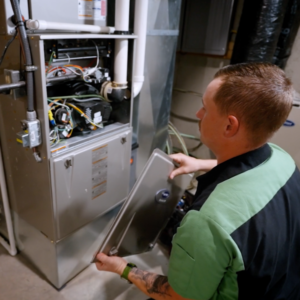
Dugan Air technician checking furnace

Regular HVAC maintenance is key to keeping your system running as it should. By performing annual tune-ups, you reduce strain on components, boost energy efficiency, prevent unexpected shutdowns, and extend your HVAC’s lifespan. Maintenance helps homeowners save time, money, and stress while protecting their investment.

How Soon Should You Schedule the First Maintenance Visit After Installation?

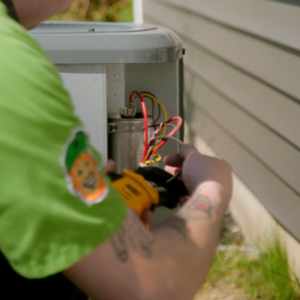
Dugan technician performing maintenance

Your technician performs an initial HVAC inspection after installation to ensure the system is properly installed and functioning. From here, we suggest having the system professionally maintained at least once a year, ideally in the season before it will be used (AC maintenance in spring, heater maintenance in fall). This ensures the system is ready to run reliably throughout the seasons you’ll be using it daily.

Of course, life sometimes gets in the way, which is why we offer year-round HVAC maintenance for homeowners.

Essential HVAC Maintenance Tips for Indiana Homeowners

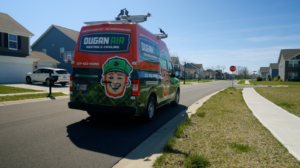
A Dugan Air van with HVAC branding is parked on a suburban street in a residential neighborhood on a clear, sunny day, ready to help homeowners with their home comfort system needs or to discuss comfort system cost.

With your new HVAC system installed, what are the best maintenance practices for homeowners in Indiana? Here are a few to keep in mind.

Change the air filters

Your air filters protect your system from airborne debris while keeping contaminants out of your indoor air supply. Filters generally need to be changed or cleaned every one to three months, but check your manufacturer’s instructions for more specific guidance.

Clean the coils

Another important task is keeping your AC’s evaporator coils clean. Excess dirt and dust prevent them from working correctly, impacting cooling efficiency and causing further HVAC issues the longer it’s left unchecked.

Clean the outdoor AC unit

Your AC’s outdoor condenser unit can get clogged by dirt, dust, grass clippings, and other debris, forcing the system to work harder and shortening its lifespan. To avoid inefficiency and system damage, carefully clean the outdoor unit annually to ensure proper airflow.

Inspect the ductwork

Clogged ductwork can cause big issues with an otherwise working HVAC system. If your unit seems to be working properly but you’re experiencing weak airflow in the home, clogged ductwork might be the issue. While you can sometimes spot these clogs yourself, you’ll probably need an HVAC maintenance pro to perform a thorough inspection and cleaning.

Calibrate the thermostat

If your thermostat malfunctions due to age, a faulty power connection, or a dirty or damaged sensor, it may affect HVAC efficiency and performance. Have your thermostat cleaned and calibrated at the same time as other HVAC maintenance tasks.

Clear the AC condensate drains

If your air conditioner’s condensate system becomes clogged, it can cause water leaks and damage components. Fortunately, this is a fairly simple task to do yourself, and just requires opening the system and clearing out the drain pan and drain line.

Check the AC refrigerant

The refrigerant cools the air that enters your home from the air conditioner. A leak in the system can dramatically reduce efficiency and cooling performance. Working with refrigerant is hazardous without the right certifications, so leave leak repairs to a professional. 

Get a heating combustion analysis

Furnaces need to combust fuel at a certain efficiency level to be safe and keep costs down. An HVAC pro can conduct a combustion analysis to ensure your furnace isn’t emitting harmful fumes or using too much fuel to operate.

How To Maintain Your HVAC System Year-Round

Here’s how to maintain an HVAC system by season:

  • Fall: Get a professional furnace or heating tune-up, including inspection of fuel lines, burners, and heater combustion.
  • Winter: Keep an eye on your thermostat to make sure it’s set to an optimal efficiency level and functioning properly. 
  • Spring: Get a professional air conditioning tune-up to check refrigerant levels, airflow, condensate drainage, and evaporator coils.
  • Summer: Keep your outdoor AC unit free of grass clippings and dust, clean your HVAC duct entrances regularly, and watch for water leaks from your air conditioner.

A Dugan Air hvac technician walking to replace an hvac system

Keeping up with this simple HVAC maintenance regimen helps you avoid heating and cooling problems, ensures proper climate control all year, and keeps your systems running as efficiently as possible. These HVAC maintenance tips are based on the temperate climate in our Indiana service area, which includes:

If you’re in an area with a significantly different climate, contact a local HVAC professional for more specific maintenance tips for your region.

Signs Your New HVAC System Needs a Professional Check

If you notice the following signs, it means your HVAC system needs a professional maintenance check:

  • Rising energy bills with no change in usage
  • Unusual noises while running the HVAC system
  • Unpleasant odors from HVAC vents
  • Short or long-cycling
  • Water or refrigerant leaks
  • Hot or cold spots throughout the home
  • Weak airflow from HVAC ducts

While you can wait to spot these issues before calling for help, the best way to prevent HVAC issues entirely is with preventative tune-ups. Make regular maintenance easier by joining Dugan’s maintenance program, which includes perks like discounts on repairs, priority service, comprehensive heating and cooling tune-ups, and more.

Keep Your New HVAC System in Top Shape With Dugan Air

Given the cost of a new, high-quality HVAC system, it makes sense to prioritize proactive maintenance and care for your unit. The HVAC maintenance team at Dugan Air has the skills, tools, and experience to keep your unit running at its best, ensuring high efficiency, safe operation, and a comfortable home year-round. Contact us today to schedule HVAC maintenance and experience the Dugan Difference.

Schedule Now

"*" indicates required fields

This field is for validation purposes and should be left unchanged.