Three dirty furnace filters are displayed next to text asking if a dirty filter can stop a furnace from working, with a Dugan Air Heating & Cooling logo at the top left.

Will a Dirty Filter Keep the Furnace From Working?

A dirty air filter can quickly cause problems with a furnace, eventually leading to a complete system shutdown if the issue is ignored for too long. In this guide, we’ll explain everything you need to know about the signs, risks, and solutions of a dirty furnace filter and explain why this simple maintenance task is essential to helping you avoid furnace repairs.

Common Signs of a Clogged Furnace Filter
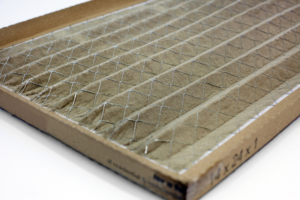
dirty_filter

First, let’s explore the most common clogged furnace filter symptoms for homeowners to be on the lookout for:

High energy costs

A subtle but important sign of a dirty furnace air filter is noticing an increase in utility costs with no change in usage. This indicates that your system has to work harder to achieve the same heating result, often due to a clogged filter obstructing airflow into the system.

Reduced air quality

Another telltale sign that you need to change your HVAC filter is if you’re noticing decreased indoor air quality (IAQ) in your space. This might mean excessive dust accumulating in the home, worsening allergy or asthma symptoms, or debris buildup on HVAC duct vents.

Poor airflow

If you feel little to no airflow from HVAC vents when the furnace is running, it means there’s an obstruction. While duct clogs can also cause this, a clogged furnace filter is a common culprit for the issue.

Short-cycling

If a dirty filter is preventing the furnace from getting proper airflow, it may repeatedly switch on and off without ever getting your home to the desired temperature. This is known as short-cycling, and allowing the system to continue running this way puts a major strain on its components.

Strange odors

If you smell musty, dusty, or burning odors while running your furnace, its air filter may be to blame. Dust makes a unique smell when it gets too hot, which makes this a likely symptom of an overly dirty filter.

Poor heating performance

In general, if you’re noticing reduced heating while running your system, your air filter should be the first thing you check. A clogged filter can cause hot and cold spots in the home, weak airflow, or stop your space from ever fully heating up.

What Happens When the Furnace Filter Is Dirty
furnace maintenance

The air filter is responsible for stopping dust and debris from entering your heater via the air intake. If the filter gets too clogged, it restricts airflow to your furnace, forcing it to work harder to heat your home. This leads to higher energy consumption, weak airflow from HVAC ducts, and excess wear and tear on the system’s components. 

How Often Should You Replace Your Furnace Filter in Indiana?

While different furnaces have different specifications for filter replacement, it’s generally recommended to replace or clean your filter every 30 to 90 days during the system’s operating season. 

In general, replacing HVAC filters helps your systems run more efficiently and reduces the likelihood of common furnace issues, such as water leaks around the furnace when using your air conditioner, a frozen furnace, or even a complete system shutdown when you need it most.

How to Check and Replace a Dirty Furnace Filter

Now that we understand the importance of changing your furnace’s filter regularly, how do you actually do it? Here are the steps to handle this important task yourself:

  • Step 1: At your circuit breaker panel, shut off the power to the furnace.
  • Step 2: Access your furnace and find the filter access panel, which is usually near the blower cabinet or the cold air return duct.
  • Step 3: Slide the old filter out, taking note of the filter’s type, size, and the direction of the airflow arrow.
  • Step 4: Discard your old filter.
  • Step 5: Slide the new filter into the panel, making sure the airflow arrow is pointed the right way.
  • Step 6: Close the filter access panel.
  • Step 7: Restore power to your furnace, turn on the system, and test it to make sure the filter is working properly.

While this is a fairly straightforward process, we know it can be a hassle for busy homeowners with a million other things to do. That’s why so many homeowners count on Dugan Air and our comprehensive heating maintenance program, which ensures your system receives the service it needs regularly, eliminating the hassle of scheduling or remembering to book your appointment every year. We offer these plans across our entire service area, including in Indianapolis, Greenwood, Center Grove, and Nineveh.

How Dugan Air Keeps Your Furnace Running Smoothly

Our team is here to help with every part of furnace maintenance and care, whether it’s a simple task like air filter replacement or more in-depth diagnostics of a malfunctioning system. Whether your furnace troubles are big or small, count on the pros at Dugan Air to get your system running smoothly once more. Contact us to schedule your furnace maintenance appointment today!

Frequently Asked Questions

Can a dirty filter cause the furnace to stop blowing heat?

Yes, a dirty air filter will eventually prevent your furnace from blowing heat entirely. Once the filter is completely clogged, your furnace won’t be able to take in air, preventing it from heating your space.

Can a clogged filter damage my system?

Running a furnace with a clogged filter causes excess wear and tear on the components, which can eventually lead to damage. Replace your filter regularly so you don’t have to replace your furnace.

Why does my filter get dirty so fast?

If your filter gets dirty very quickly (less than a month), it means there’s too much dust and debris in the air. You may be able to offset the issue by investing in air purification and other indoor air quality solutions.

What should I do if replacing the filter doesn’t fix the issue?

If replacing your furnace filter doesn’t fix the issues you’re facing, it’s time to call in the pros. An HVAC technician will thoroughly inspect the system and make the necessary repairs to address your issues at the source.

A graphic asks if a Heat Pump can replace a Gas Furnace in Indiana, showing images of both units and a lightning bolt between them, with the Dugan Air Heating & Cooling logo.

Can a Heat Pump Replace a Gas Furnace in Indiana?

With increasing energy costs, updated efficiency standards, and rebates expiring at the end of 2025, a heat pump replacement is an appealing option for many Indiana homeowners. Heat pumps offer heating power and energy efficiency, with the potential to outperform gas furnaces, but the right choice depends on several factors. Learn more about how heat pumps work, how they compare to furnaces, and when to schedule an installation with Dugan Air.

What Is a Heat Pump and How Does It Work?

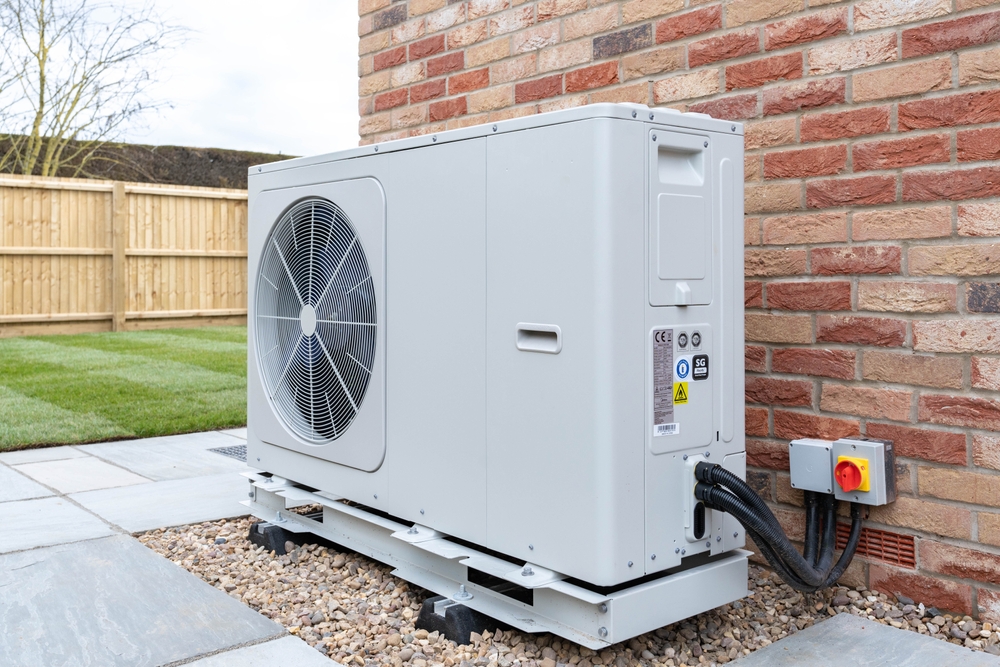
A white heat pump unit is installed outside a brick house in Indiana on a gravel bed, with cables connected to a nearby power switch.

A heat pump is an HVAC system that provides heating and cooling in a single unit. While furnaces burn fuel to generate heat, heat pumps transfer heat between indoors and outdoors. 

The system uses a refrigerant-based process to transfer heat, supported by evaporator coils, condenser coils, a compressor, and fans. Refrigerant circulates between the indoor and outdoor units in a closed loop. In winter, it extracts heat from outdoor air and moves it indoors. In summer, this process reverses, drawing heat from inside the home and expelling it outdoors.

Key Differences Between Heat Pumps and Furnaces

Heat pumps and furnaces heat your home to maintain comfort, but they do so in different ways. Understanding how these systems differ in installation, fuel sources, efficiency, and upkeep helps you select the ideal model for your heating system replacement.

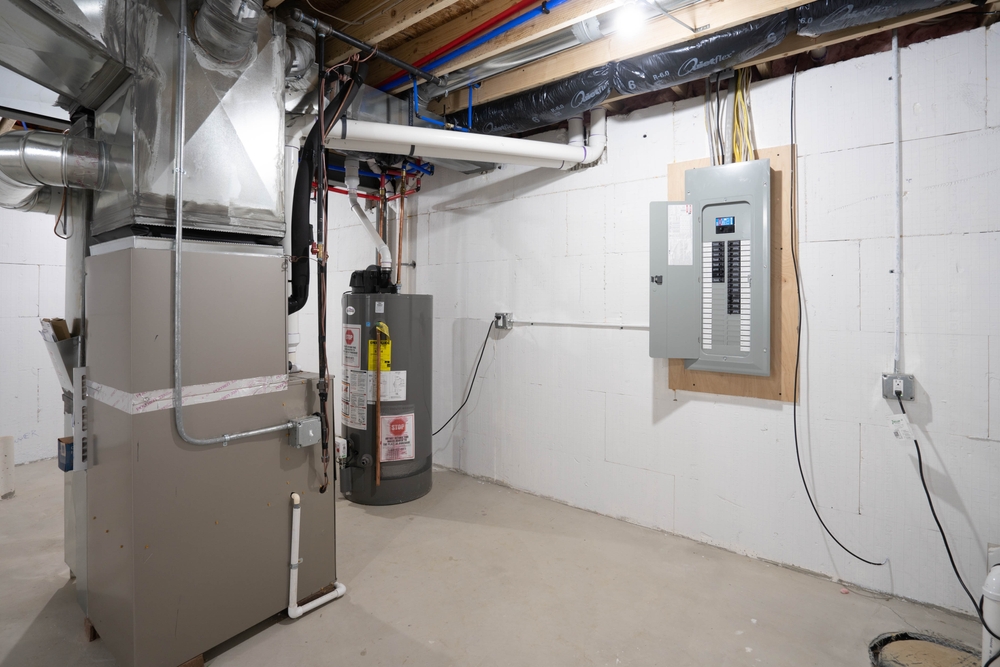
A basement in Indiana with a gas furnace, water heater, and electrical panel all mounted on a painted concrete wall.

Installation

Gas furnace installation requires connecting the system to a fuel line and setting up a ventilation system to safely release combustion gases. The furnace connects to ductwork, which distributes heated air throughout your home. Some homes have existing gas lines, but others may need to set up new service connections. Electric furnaces are less complex to install since they don’t require fuel lines or venting, but they may require setting up a dedicated electrical circuit.

Heat pumps involve installing both indoor and outdoor components. Indoors, you can configure a heat pump to connect to existing ductwork or to deliver heated air directly to a space. These units typically mount onto walls and ceilings. Outdoors, the condenser unit mounts onto a concrete pad or wall bracket and connects to the indoor unit with refrigerant lines. Heat pumps also generally require a dedicated electrical circuit.

Fuel source and operation

Furnaces generate heat by burning fuel, such as gas or oil, or by using electricity to power resistance heating coils. These systems are single-purpose and only provide heating.

Rather than heating the air directly, heat pumps use electricity to power the compressor and fans and transfer heat. Most systems feature reverse valves, which enable them to reverse the refrigerant process and switch between heating and cooling as needed.

Performance and energy efficiency

Gas furnaces deliver steady, powerful heat regardless of outdoor temperatures. They are especially reliable in freezing conditions or for heating large homes, and high-efficiency models can exceed annual fuel utilization efficiency (AFUE) ratings above 90%. Electric furnaces offer similarly high efficiency, but they can cost more to run since electric heating is less powerful and electricity rates are often higher than natural gas prices.

Heat pumps operate at high efficiency, especially in mild and moderate climates, and can deliver up to three times more heating energy compared to electricity consumption. While older heat pump models lost efficiency at below-freezing temperatures, modern units and cold-climate models allow these systems to perform efficiently even at temperatures below 5°F. This efficiency reduces operating costs and helps households transition to cleaner energy sources.

Can You Replace a Gas Furnace With a Heat Pump in Indiana?

It’s possible to replace a furnace with a heat pump in an Indiana home, but the right choice depends on several factors, such as climate and existing HVAC equipment. Consider performance, long-term energy savings, and upfront installation costs.

For instance, Indiana winters vary in severity, and some households are better suited to different heat pump, furnace, or dual-fuel configurations. Cold climate models can heat during below-freezing conditions, but consistently sub-5°F temperatures may make a gas furnace more cost-effective, especially for larger homes with bigger heating loads. Some homeowners opt to use a heat pump in conjunction with a furnace, where the heat pump handles heating for most of the time, and the furnace acts as backup during extreme conditions.

If your gas furnace’s existing ductwork is in good condition and properly designed for your home’s heating load, you can choose between a heat pump or a new furnace. If your ductwork is in poor condition or requires significant modifications, a ductless heat pump may offer a more straightforward and economical installation.

When a Heat Pump Alone Is Sufficient

Many homeowners find that a heat pump alone meets their heating and cooling needs, depending on their property and location. Consider these factors:

  • Insulation: Homes with modern insulation and proper sealing retain heat more effectively. With less energy loss, heat pumps can maintain indoor comfort more efficiently when temperatures drop.
  • Location: While the snow belt in Northern Indiana experiences the most severe winter conditions, homes in central and southern Indiana have fewer days of extreme cold and may be better matched to heat pumps.
  • Environmental goals: For families aiming to reduce fossil fuel use and emissions, a heat pump may offer more efficient heating than an electric furnace.

Average Installation Costs for Heat Pumps

Heat pump replacement costs depend on the system configuration and size, ranging between $3,500 and $8,800, but heat pump efficiency and lower utility bills can offset upfront costs. Ductwork modifications and electrical upgrades may increase the cost of basic heat pump installations, and mini-split heat pump systems may have high upfront costs depending on the number of indoor units installed.

Available Rebates & Tax Credits for Heat Pump Replacements

Tax credits and rebates available to Indiana homeowners make upgrading to a heat pump more affordable. The Indiana Energy Saver Program offers two rebate programs for energy-efficient upgrades, including the Home Efficiency Rebate (HOMES) program and the Home Appliance Rebate (HEAR) program. AES Indiana also offers home improvement incentives with up to $725 in rebates for heat pump installation.

Federally, the Inflation Reduction Act provides a 30% tax credit, up to $2,000, for qualifying ENERGY STAR heat pumps. This program is only available until December 31, 2025, so start planning for a replacement with Dugan Air to maximize your savings.

Why Choose Dugan Air for Heat Pump Replacement in Indiana?

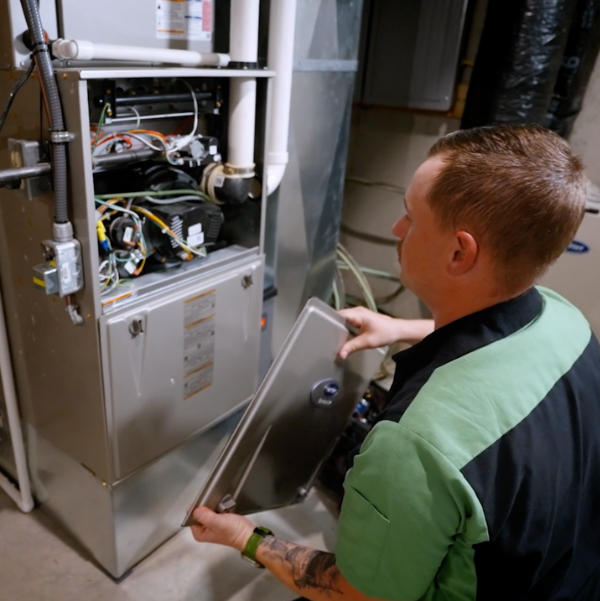
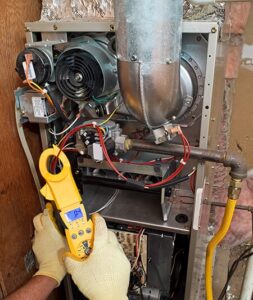
Dugan Air technician checking furnace

At Dugan Air, we bring expert installation and our Golden Service approach to customers in Greenwood, Bargersville, and other Indiana communities. Our customers enjoy these advantages:

  • Premium service with clear communication and no shenanigans
  • Locally owned and operated in Indiana
  • 24/7 emergency service availability
  • Flexible financing options to suit your budget
  • Certified HVAC technicians with expert heat pump and furnace skills
  • Comprehensive maintenance plans

Upgrade To a Heat Pump With Dugan Air

Replacing a gas furnace with a heat pump in Indiana offers improved comfort, efficiency, and long-term cost savings, but the right decision depends on your specific needs. With rebate programs expiring at the end of the year, let Dugan Air help you choose the best heat pump system for your home. Contact us today to schedule an installation and see how a heat pump can transform your home comfort.

furnace leaking water when ac is on

Why Does My Furnace Leak Water When the AC is Running?

As the summer temperatures begin to heat up in Indiana, you’re likely using your air conditioner more and more. But if you turn on your AC one day to find water leaking out of the nearby furnace, it can be confusing and concerning. While it may appear that water is pooling out of your furnace, the problem is likely within your cooling system. 

Clogged drain lines, frozen coils, or excessive humidity can cause your AC’s drainage system to become overwhelmed, resulting in water backing up and eventually leaking around the furnace. In this guide, we’ll walk you through the most common causes of your furnace leaking water when the AC is on, as well as signs it’s time to call the experts at Dugan for emergency HVAC repair.

Common Causes of Furnace Leaks When AC Is On

If you notice your furnace dripping water whenever the AC is on, there’s likely a condensation problem within your system. To keep your home cool, your air conditioner pulls humidity from the air, turning it into water and draining it away through the condensate drain line. If any component in the drainage system malfunctions, water can overflow into the unit, and your AC may begin leaking water from the bottom.

Because furnaces and air conditioners often share space, especially in combined HVAC systems, leaking water can appear to be coming from either unit. If a blockage occurs in the drainage system, it can cause water to pool around the furnace, even though the actual problem is with your AC.

Here are some of the top reasons your air conditioner may not be draining properly:

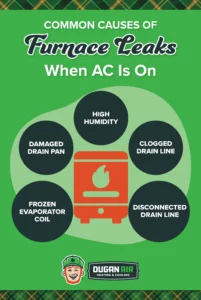
  • High humidity: During periods of excess humidity, your air conditioner produces more condensation than usual, which can overwhelm the drain line and lead to leaks.
  • Clogged drain line: If debris, rust, or sludge builds up in the drain line, it can block water from flowing out and cause it to back up into the system.
  • Frozen evaporator coil: Several issues can cause the evaporator coil to freeze and thaw, leading to excess condensation and potential leaks.
  • Disconnected drain line: If the drain line becomes disconnected from the drain pan or AC unit, water may leak out around the furnace.
  • Drain pan damage: Cracks or damage to the drain pan can prevent it from holding water, allowing condensation to drip into the unit or onto the floor.

Signs the Leak Needs Professional Attention

If water is pooling around your furnace, there are a few troubleshooting steps you can take to determine whether it’s time to call a professional. Begin by turning off your HVAC system to prevent more water from spilling out and damaging your home or belongings. Then, check the following to try to diagnose the underlying problem:

  • Inspect the condensate drain line for blockages or damage.
  • Check the air filter for buildup and replace it with a new one if necessary.
  • Look for signs of freezing or ice buildup on the evaporator coils.
  • Make sure the drain line is properly connected to the drain pan and AC unit.

If you have trouble or still can’t identify the culprit, call a trusted HVAC company like Dugan for repair. An experienced HVAC technician can assess your unit, diagnose the issue, and recommend the best solution to stop the leak and get your system back in working order.

Infographic listing common causes of furnace leak water when AC is running: high humidity, damaged drain pan, frozen evaporator coil, clogged drain line, disconnected drain line.

How To Prevent Furnace Leaks from AC Issues

Once you repair your HVAC system, it’s important to take steps to prevent future leaks from recurring. Professional maintenance is the best way to catch these potential problems early on, before they cause damage to your home, health, and unit. 

Before heating and cooling seasons begin, schedule a routine tune-up to have a pro inspect, clean, and service your system. They’ll perform essential maintenance tasks, such as cleaning the coils and changing the air filter, and address any minor problems before they progress.

A few other ways you can prevent leaks include:

  • Changing the air filters every one to three months, depending on your usage.
  • Using a damp cloth to clean the evaporator coils every few months to prevent dust buildup.
  • Making sure all air vents are open and unobstructed to allow for proper airflow.
  • Checking the drain pan for cracks, rust, or other damage and replacing it if necessary.
  • Flushing the drain line with a mixture of water and vinegar to prevent clogs and buildup.

If you notice any leaks or other warning signs, such as unusual noises, odors, or reduced airflow, contact a professional for repair as soon as possible. Addressing these issues early helps prevent costly repairs, water damage, and system breakdown.

Call Dugan for HVAC Repair in Franklin!

If you notice water leaking near your furnace or air conditioner, the team at Dugan Air Heating and Cooling is here to help! Our licensed HVAC experts can quickly diagnose and repair the underlying problem to prevent damage to your home and unit. With quick response times and lasting solutions, you can count on our team to keep your system leak-free.

Call us or book online to schedule a heating or cooling repair today! We proudly serve homeowners and businesses in Franklin, Columbus, Whiteland, and surrounding areas.

Frequently Asked Questions

Can a leak in my AC really damage my furnace?

An air conditioner leak can damage your furnace if it gets inside the unit. Water exposure can cause electrical problems, rust, and corrosion. Over time, the moisture can also lead to component malfunctions, mold growth, or even complete system failure.

Is it safe to keep using the AC if water is leaking near the furnace?

No, if your air conditioner is leaking water near the furnace, immediately turn it off until our team determines the underlying cause. Continuing to use your AC can cause the leak to worsen, leading to costly repairs, system failure, and potential damage to your home and belongings.

Can I unclog the condensate drain line myself?

While you can try to unclog the condensate drain line using a wet/dry vacuum, it’s best to leave repairs to our experts. Our pros have the training and experience to properly inspect, clear, and prevent clogs in your drain line.  

What are the dangers of air conditioner leaks?

Aside from the problems they can cause with your AC unit, leaks can cause significant damage to your home and belongings. Without immediate repair and cleanup, water damage can lead to warped floors, stained walls, and structural issues. Over time, moisture can also create the ideal environment for mold growth, which affects indoor air quality and poses serious health risks.

Is it possible that the leak is coming from my furnace?

If your furnace has a built-in humidifier or clogged drain pan, it may be the source of the leak. However, if only your air conditioner is on at the time of the leak, it’s most likely coming from your cooling system.  

Why Is My Thermostat Not Communicating With the AC Unit?

AC Not Responding to Thermostat? Here’s What Could Be Wrong

Even the simplest thermostat has an important job — regulating the temperature in your house. A thermostat works by sensing the ambient temperature in a space, then turning your air conditioner on or off to maintain the temperature you’ve set for the room.

Smart thermostats are ideal for Indiana’s hot, humid summers and cold, snowy winters. A smart thermostat optimizes energy use and monitors both indoor and outdoor temperatures, making automatic adjustments as needed. They also come with features such as:

  • Machine learning
  • Voice control and remote control features
  • WiFi options
  • Data and energy tracking
  • And more

Depending on the type of cooling system you have, the AC may also have several cooling levels, making it easier for the system to maintain your preferred indoor temperature. 

If your AC isn’t responding to the thermostat, the best solution is to contact an HVAC expert to find the root cause of the issue. At Dugan Air Heating & Cooling, our local techs are experts at thermostat repair and replacement, delivering top-quality AC services and a first-class customer experience to our service area.

Common Causes of Thermostat-to-AC Communication Issues

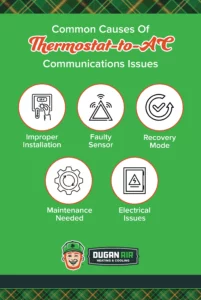
Infographic listing common causes of thermostat problems and AC troubleshooting: improper installation, faulty sensor, recovery mode, maintenance needed, and electrical issues. Dugan Air logo at bottom.

Some of the most common reasons why your thermostat’s not turning on the AC include the following.

Improper installation 

Thermostats must be installed correctly to function. If your thermostat isn’t installed properly or has been placed too close to windows, doors, or heat sources like a fireplace or stovetop, it won’t be able to accurately read the room’s temperature, causing ongoing temperature issues. Contact the professionals at Dugan for reliable thermostat installation.

Faulty thermostat sensor 

If the sensor in your thermostat isn’t reading the room temperature correctly, it won’t turn the air conditioner on when needed. A faulty sensor can be repaired or replaced by an HVAC expert. 

It’s in recovery mode

Recovery mode means your AC is working to return to the programmed temperature you’ve set it to after being turned off, or it’s in an energy-saving state. For example, if you program the thermostat to turn the AC down at night, it’ll move into recovery mode as it turns back on in the morning. 

The system needs maintenance

Several maintenance issues could cause problems with communication between the thermostat and your air conditioner, or make it more difficult for the air conditioner to hit your desired temperature promptly. A dirty thermostat, filters, coils, or condenser unit may cause the system to struggle to meet your needs.

Low refrigerant levels, mechanical problems, and other issues can also affect your system’s cooling capacity. Regular tune-ups help prevent these types of issues.

There’s an electrical issue

Loose or corroded wires often happen over time due to general wear and tear. This disrupts the electrical connection, preventing the system from receiving instructions from the thermostat. Your electrical system is complex, and it can be dangerous to perform electrical work on your own. If there’s an electrical problem with your thermostat, count on Dugan for assistance.

Quick Thermostat Troubleshooting Steps You Can Try

Not every thermostat problem needs professional repair. Before calling Dugan, try these simple troubleshooting steps to see if you can resolve the issue yourself. 

Check the batteries

Thermostats are typically wired into your electrical system, but most units also use batteries to power the digital displays and operate the system. Dead or dying batteries in your thermostat can cause various disruptions, including preventing it from communicating with your air conditioner.

Luckily, swapping out the batteries is an easy DIY fix: 

  • Step 1: Turn the thermostat off.
  • Step 2: Slide or gently pull the housing off the wall-mounted section. 
  • Step 3: Check the back of the thermostat to determine the type of battery required.
  • Step 4: Replace the batteries, ensuring the positive and negative terminals are correctly aligned.
  • Step 5: Replace the cover and test the system.

Check the thermostat settings

The simplest solution to determine if your thermostat is on but the AC is not running is to check whether the settings are correct. Make sure the thermostat is set to “cool” and that the preferred temperature hasn’t been adjusted. 

You can also try resetting the thermostat. Like other electrical systems, sometimes a hard reset is all it needs to get working correctly again. 

Clean inside the thermostat 

Dirt, lint, and hair may be causing connection problems inside your thermostat. If you have a standard mechanical or electromechanical thermostat, you can gently clean it using a soft brush or some compressed air. When cleaning out the thermostat, you’ll need to slide or pop the cover off. Be gentle when cleaning, and avoid touching contact points, loose or corroded wiring, or other electrical parts. 

If you have a smart thermostat, don’t take it apart or open it up. These devices aren’t built to open, so they only need a light dusting on the outside to keep them clean.

Check the fuse box

A tripped circuit breaker could be a reason power isn’t reaching your thermostat, your air conditioner, or both. Check your electrical panel to see if a breaker has tripped. If you reset it and it trips again immediately, there’s probably an ongoing electrical problem that needs to be fixed. Turn the system off and contact an expert. 

When To Call an HVAC Professional

Sometimes, if the thermostat says it’s cooling but the AC’s not on, you’ll need professional help. A faulty AC can prevent the system from turning on, and it can also prevent the thermostat from communicating with the system properly. Some signs you need professional cooling system repairs include: 

  • The system is turning on and off frequently (short cycling) without fully cooling the room.
  • Hissing, grinding, squealing, or other sounds are coming from the AC. 
  • The thermostat or the AC is having electrical problems. 
  • Bad smells are coming from the AC or the vents. 
  • The thermostat or the air conditioning unit won’t turn on at all. 
  • Your energy bills are rising. 

At Dugan Air, our team understands the frustration of a failing or broken air conditioning system, especially when the weather is hot. Count on us to be there for you with personalized, honest assistance, including financing options, 24/7 emergency assistance, and help finding rebates and tax incentives for energy-efficient appliances and system installations in your home.

Contact Dugan Air for Expert HVAC Service and Thermostat Repair

If you need professional thermostat repair, Dugan Air Heating & Cooling is available now.  Our service area includes Johnson, Nashville-Brown, and Morgan Counties. Call us or schedule service online through our easy-to-use form, and we’ll respond promptly with the premium service we’re known for. Contact us today to experience the Dugan Difference!

Why AC Tune-Up Matters More in Indiana

Why AC Tune-Up Matters More in Indiana

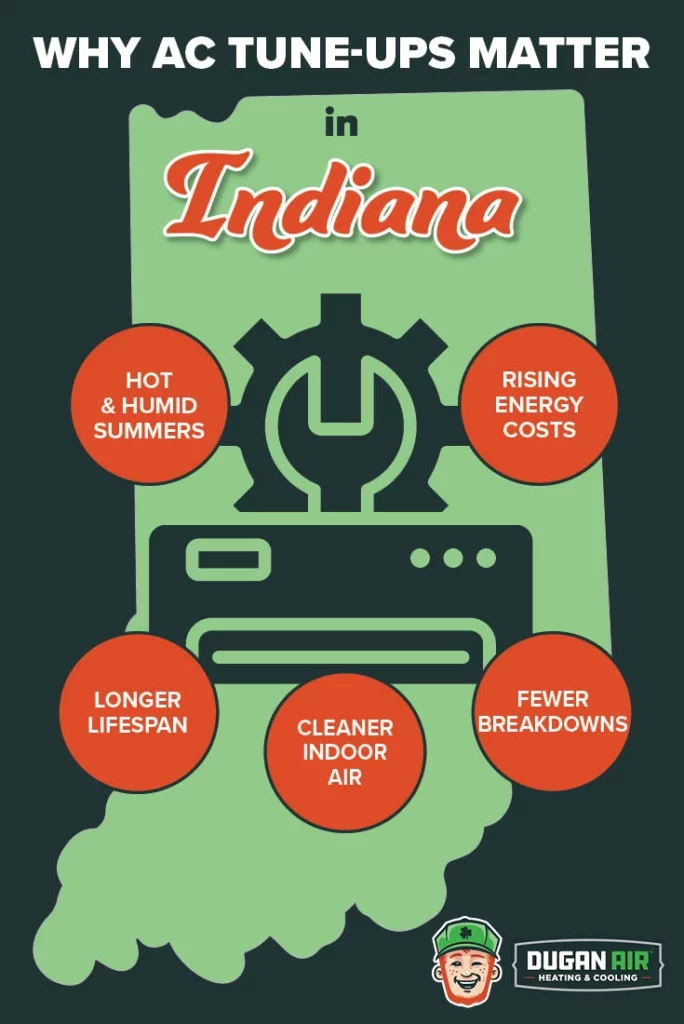
When you’re enjoying summer vacation in Indiana, your air conditioner is working hard to keep you cool. Frequent heatwaves, increasing energy costs, and high humidity put heavy loads on cooling systems, but a professional AC unit tune-up prepares your system for the summer, minimizing the risk of breakdowns while keeping your comfort high and your energy and repair bills low.

Infographic showing benefits of air conditioning maintenance in Indiana, including lower energy costs, fewer breakdowns, cleaner air, longer lifespan, and reliable comfort during hot summers.

Why Indiana Homeowners Need Regular AC Maintenance

Regular maintenance keeps your AC working at peak performance, even in Indiana’s most demanding summer conditions.

Hot and humid summers

Indiana summers are humid and intense, with temperatures often exceeding 90 degrees. Humidity makes the heat feel more intense than your thermostat says, and homeowners often set their thermostats to cooler temperatures to offset these effects, putting their AC systems under a heavier load.

AC components may wear out or become dirty without adequate maintenance, reducing cooling performance and increasing the risk of breakdowns, especially under more demanding Indiana conditions. Routine maintenance helps identify and correct wear and prepares your system for the heat of Indiana summers.

Increasing energy rates and cooling efficiency

With AES Indiana intending to raise energy rates starting in 2026, Indiana residents may pay up to 20% more for their cooling during the summer, further stressing the importance of an energy-efficient AC system. Well-maintained ACs cool more effectively with less energy, potentially translating to significantly lower utility bills during peak summer months.

Improving system longevity

Indiana’s environment introduces dust, pollen, moisture, and other debris to your AC system. These airborne contaminants build up inside your unit, including on coils, filters, and fan motors, increasing friction and accelerating wear on components.

Routine AC cleaning and inspection address inefficiencies before they escalate and prevent problems such as burnt-out motors, coil corrosion, or overheating compressors. Seasonal tune-ups help prolong the operating lifespan of your AC, without well-maintained units often outlasting neglected units by several years and delaying the need for system replacement.

Indoor air quality

A combination of high heat, smog, elevated pollen levels, and stagnant air during Indiana summers can impact indoor air quality. Without regular filter changes and cleaning, your air conditioner may recirculate contaminants such as pollen, mold spores, and dust rather than filtering them out. This can trigger allergy symptoms or worsen indoor air for households with asthma or other respiratory conditions.

AC maintenance optimizes airflow and filtering so your system can better regulate indoor air quality. With better indoor air quality, households often experience reduced allergy symptoms and lower risk of respiratory issues associated with airborne particles.

Avoiding emergency repairs

Seasonal storms, heatwaves, and high humidity strain cooling systems, and many emergency breakdowns are the result of these conditions pushing AC components past their limit. In many cases, these components had pre-existing problems that a technician could have spotted and addressed during a tune-up, preventing them from failing just when you need your AC most.

What’s Included in a Professional AC Unit Tune-Up?

An AC tune-up is a standardized service that provides comprehensive inspections, cleaning, tests, and adjustments. At Dugan Air, our HVAC technicians adhere to a thorough process to address underlying inefficiencies and optimize AC performance.

A professional tune-up typically includes these tasks:

  • Checking refrigerant level and pressure, and testing for leaks
  • Cleaning and inspecting the evaporator and condenser coils to optimize heat transfer
  • Replacing the air filter
  • Testing the thermostat and recalibrating if necessary
  • Measuring airflow and inspecting ductwork for leaks
  • Tightening electrical connections
  • Inspecting the capacitor, contactor, and other electrical components
  • Cleaning the condensate drain and checking for clogs

How Often Should You Tune Up Your AC in Indiana?

Most Indiana households should plan for annual AC tune-ups. Ideally, schedule services in the early spring, between March and May, to correct any issues or inefficiencies before summer temperatures arrive. All cooling system types benefit from annual maintenance, including central air conditioners, ductless mini-splits, and heat pumps.

In some cases, your system may need service ahead of schedule. Look for these signs:

  • Unusual noises during operation, such as buzzing or grinding
  • Frequent cycling
  • Uneven temperature distribution
  • Warm or weak air from the vents
  • High humidity or poor indoor air quality
  • A spike in energy bills without a change in usage patterns

Save on Energy Bills and Repairs With Regular AC Service

AC breakdowns are often preventable, and trained technicians at Dugan Air can spot subtle warning signs before they further impact your comfort and energy bills or suddenly escalate a system failure and costly repairs.

Dugan Air offers Premium Clover Club service plans to keep your system running efficiently all summer. Premium maintenance plan members enjoy numerous benefits, such as:

  • Annual cooling and heating tune-ups
  • Discounts on repairs and accessories
  • Priority service
  • No overtime fees

Schedule Your AC Tune-Up With Dugan Air

Dugan Air’s Premium Service, No Shenanigans approach means you get quality workmanship with your annual AC tune-ups. Get your system ready for the season with expert technicians. Contact us or schedule an AC maintenance service online today.

Why Is My Air Conditioner Still Not Working After a Repair?

Why Is My Air Conditioner Still Not Working After a Repair?

Imagine it’s an 85-degree Columbus summer day, and you’ve just had your AC repaired only to find it broken again. If you’re dealing with a broken air conditioner even after a service call, it’s time for professional AC repairs from a qualified expert.

Explore some common reasons why AC problems return, when to call for a second opinion, and when you may want to consider a replacement rather than AC repairs.

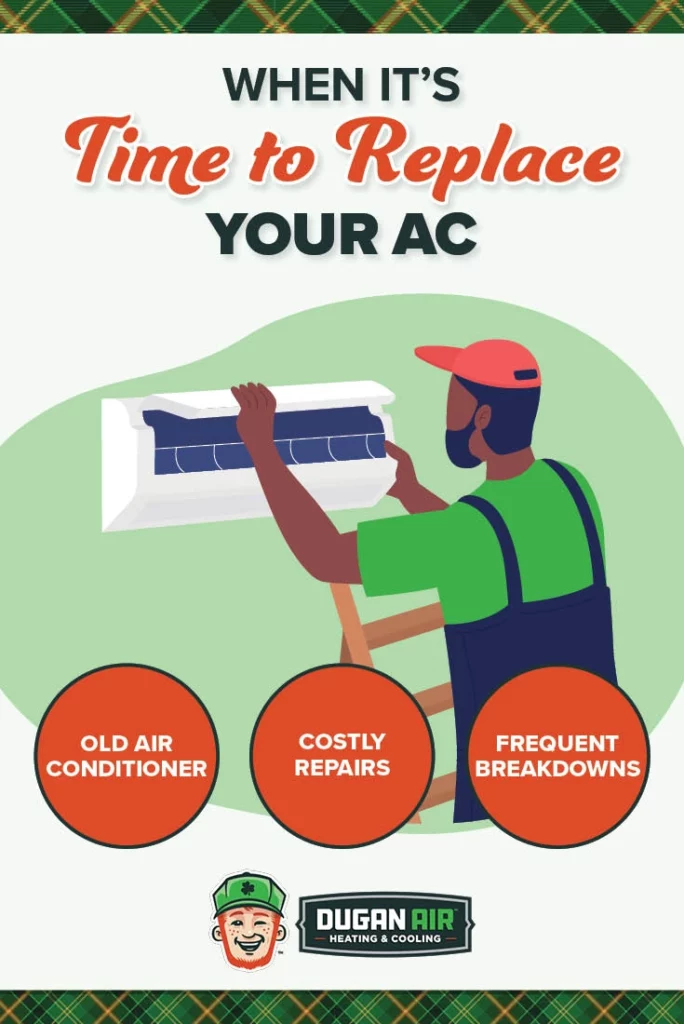
A technician in a hat and overalls inspects a wall-mounted air conditioner. Text highlights signs it's time to replace your AC: old unit, costly repairs, frequent breakdowns, and persistent AC troubleshooting issues.

Common Reasons AC Problems Come Back

From loud AC noises to a system that’s running but not cooling, there are a variety of AC problems that can return after repairs. Discover some common reasons why AC problems might come back.

Old or worn AC unit

Most modern air conditioners have a lifespan of around 15 to 20 years, while older units typically last 10 to 12 years. If your air conditioner is nearing the end of its maximum lifespan, it may experience frequent breakdowns even after a repair. While good maintenance extends the lifespan of your AC, you may want to consider a replacement if your broken AC unit is more than 15 years old.

Refrigerant leaks

Refrigerant is the liquid inside your air conditioner that facilitates the heat transfer process, carrying heat from inside your home and moving it outside to cool the indoor air. In a well-functioning AC unit, the level of refrigerant should stay consistent inside the system. However, a minor leak can lead to low refrigerant levels, which can cause a variety of AC problems. 

Low refrigerant can lead to the AC blowing warm air, longer cooling cycles, and other issues that may cause motors and fans to burn out. It can also strain the compressor, leading to a breakdown. If your previous AC repair person fixed one of these issues but missed the refrigerant leak, the problems may return.

Handling refrigerants can be hazardous to your health and the environment, so leaks in your air conditioner require emergency repair by a professional.

Thermostat problems

In some cases, the thermostat may be the cause of the issue rather than the AC. A broken or miscalibrated thermostat may signal the unit to run longer or shorter cycles, or fail to turn on when you need cooling. Even with an AC repair, the unit may not function properly if it’s receiving incorrect thermostat signals. 

Wrong AC size

If your air conditioner is the wrong size for your home, it may continue to break down even after repairs. An AC unit that’s too small will work too hard to cool your home, potentially overheating or failing. A system that’s too large may short-cycle or not turn on.

When To Consider Getting a Second Opinion From Certified AC Experts

If you’re considering a major air conditioner repair or replacement, it’s a good idea to get a second opinion from a certified AC pro. Contact a professional if you’re facing the following issues.

Problem returns after repairs

If your AC is not working after maintenance, it’s time to contact a qualified pro. Your previous repair person may have missed the issue, or the repair may have been performed incorrectly. Getting a second opinion from a certified AC expert helps ensure the job is done right. 

You’re not sure what’s wrong

For persistent AC issues that are difficult to diagnose, it’s best to call a certified technician. The team at Dugan Air has the tools and expertise to identify and repair complex AC problems, so your AC is fixed right the first time.

After your AC is repaired, your pro should perform a service test to check that everything is working properly. Be aware of any unusual noises, odors, or liquids on or around your AC, which may indicate an incomplete AC repair.

When It’s Time To Consider a Replacement

Practicing regular AC maintenance is the best way to keep your system running smoothly. However, even the best AC units eventually wear out. If you’re dealing with one of the following situations, it may be time to consider an AC replacement.

Old air conditioner unit

If your air conditioner is nearing the end of its expected lifespan (typically 15 to 20 years), it may be more efficient to replace it rather than repair it. Upgrading to an Energy Star-rated air conditioner can save energy and reduce your cooling costs.

Frequent breakdowns

When an air conditioner is breaking down regularly, it may no longer be worth investing in repairs. Although it can be frustrating to replace an AC unit that you’ve already spent money fixing, it’s likely more efficient in the long run to buy a new unit. A reliable unit helps keep your home cool and comfortable.

Costly repairs

Consider the cost of the repair against the long-term value of the unit. If you have a relatively new unit with minor damage, the repair may be worthwhile. However, if you need to make an expensive repair or replace major parts on an old unit that’s already showing signs of wear and tear, it’s probably better to invest that money into a replacement AC.

Contact Dugan Air for AC Repairs and Replacements

Whether you’re looking for a follow-up inspection, emergency AC repairs, or a new AC replacement, the team at Dugan has you covered. Our certified AC technicians deliver expert solutions, great customer service, and no shenanigans — just AC repairs that last. Contact us today to book your appointment and get your Columbus home feeling cool and comfortable again.

what voids hvac warranty

What Voids an HVAC Warranty? Avoid These Mistakes

Investing in a new HVAC system is a major decision for any homeowner. Along with comfort and energy efficiency, peace of mind often comes from the manufacturer’s warranty — your protection against costly repairs and defects. But many don’t realize that HVAC warranties come with conditions, and violating them can leave you without coverage when you need it most. At Dugan Air, we want to help you avoid expensive surprises. In this guide, we’ll break down what voids an HVAC warranty, what manufacturers typically require for coverage, and how to make sure you stay protected.

Why HVAC Warranties Matter More Than You Think

HVAC systems are complex machines with high-cost components like compressors, evaporator coils, and blower motors. If any of these fail prematurely, leaving something like an AC unit running constantly, AC repairs or replacements can cost hundreds or even thousands of dollars.

A warranty protects you by covering these parts under certain conditions, usually for 5 to 10 years, and sometimes even longer. But this safety net only works if you follow the manufacturer’s rules. One slip-up could mean the difference between free repairs and a hefty bill.

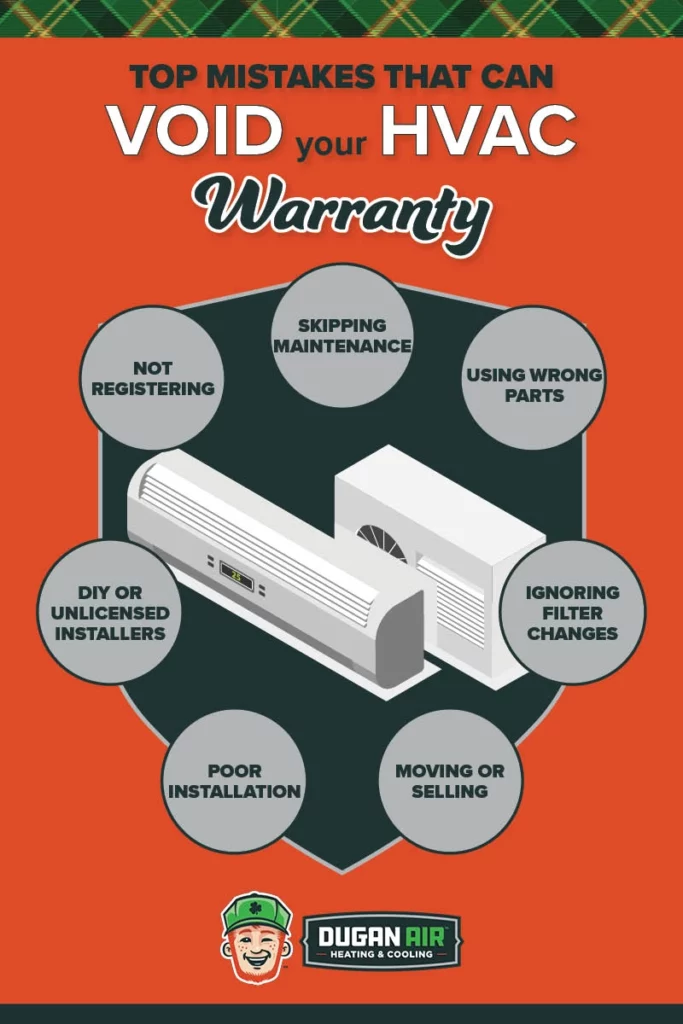
Infographic listing common HVAC mistakes that can void warranty, including skipping maintenance, poor installation, and using unlicensed installers.

Top Mistakes That Can Void Your HVAC Warranty

Here are the most common ways homeowners unknowingly void their HVAC warranties:

  • Failing to register the warranty: Many manufacturers require you to register your HVAC system within a specific timeframe (usually 60 to 90 days) after installation. Failing to register may reduce or cancel the warranty period.
  • Skipping regular maintenance: Most warranties require proof of annual maintenance performed by a licensed professional. Neglecting this step gives manufacturers a reason to deny your claim, even for parts that should be covered.
  • Using unlicensed installers or DIY work: If your system is installed by someone who isn’t licensed or certified, your warranty is likely void from day one. Always hire professionals like the team at Dugan Air to ensure your system is installed correctly and within warranty guidelines.
  • Not using approved replacement parts: If your system requires a repair and a technician uses non-OEM (original equipment manufacturer) parts, the warranty may no longer apply. Manufacturers expect you to use approved parts for the system to function properly.
  • Improper installation: Even if a licensed contractor installs your system, sloppy or incorrect installation — like mismatched indoor and outdoor units, poor ductwork, or bad electrical connections — can void the warranty. That’s why it’s essential to choose a trusted installer with a proven track record.
  • Moving or selling the home: Many warranties are not transferable, or they may only transfer once with reduced coverage. If you move or sell your home, make sure to check the terms of the warranty to avoid losing coverage.
  • Neglecting filter changes or indoor air quality: Some manufacturers may require evidence of routine filter changes as part of maintenance records.

What Manufacturers Typically Require for Warranty Coverage

While each manufacturer is different, most HVAC warranty agreements have a few key expectations in common:

  • Timely product registration (usually within 60-90 days).
  • Installation by a licensed HVAC professional.
  • Regular maintenance, often annually, with documented proof.
  • Use of authorized replacement parts.
  • Adherence to local codes and installation best practices.
  • Operation under normal residential conditions.

Failing to meet any of these requirements gives the manufacturer the right to deny a warranty claim, even if the part failure isn’t your fault.

How to Make Sure You Stay in Warranty Compliance

Here are steps every homeowner should take to ensure full HVAC warranty protection:

  • Register your warranty promptly: As soon as your system is installed, fill out the manufacturer’s registration — either online or by mail. Keep a copy of the confirmation for your records.
  • Schedule annual maintenance: Partner with a reputable company like Dugan Air for a maintenance plan. This will keep your system in top shape and provide the documentation needed for warranty compliance.
  • Use licensed technicians only: Always verify that your HVAC contractor is licensed, insured, and experienced with your specific system brand and model.
  • Keep all records: Keep all receipts, service reports, and installation paperwork. You may need them if you ever file a claim.
  • Follow manufacturer recommendations: Review the owner’s manual or warranty booklet that comes with your system. It contains key maintenance and usage guidelines that affect your coverage.
  • Check before you move: If you’re selling your home, find out if the warranty can transfer to the new owner. If so, follow the process carefully to ensure it remains valid.

Stay Protected with Dugan Air

At Dugan Air, we don’t just install and repair HVAC systems — we help you protect your investment. Our team of licensed professionals ensures that every installation meets manufacturer standards so you can enjoy full warranty coverage and lasting comfort.

Want to stay worry-free? Ask us about our preventative maintenance plans, which keep your system running efficiently while meeting all warranty compliance requirements.

Call us today or schedule an appointment online to keep your HVAC system — and your warranty — intact.

Frequently Asked Questions 

Does installing a thermostat yourself void the HVAC warranty?

Installing a thermostat yourself can void your HVAC warranty if it’s done incorrectly or the thermostat is incompatible. To stay covered, use a licensed professional and a manufacturer-approved thermostat.

Can I perform my own HVAC maintenance to stay in warranty compliance?

No. Most warranties require a licensed HVAC technician to perform maintenance to ensure quality and documentation.

What happens if I forget to register my HVAC system?

You may still have basic coverage, but many manufacturers reduce the warranty length significantly — sometimes by half — if you don’t register within the required period.

Can weather-related damage void my HVAC warranty?

Yes. Storm, flood, or lightning damage is typically not covered under standard warranties. Instead, it may be covered under homeowners’ insurance. Talk to your provider to find out if you’re covered.

Can I buy extended warranty coverage?

Yes. Many HVAC manufacturers and installers offer extended warranties that cover labor and parts for up to 10–12 years.

Should I Worry If My AC Runs All Day?

Should I Worry If My AC Runs All Day?

When the heat is relentless, it’s normal for your air conditioner to work harder. But what if your AC seems like it’s never turning off? Should you worry if your AC is always running? At Dugan Air, we get these questions all the time from concerned homeowners. While a constantly-running AC isn’t always cause for panic, it can signal that something’s wrong, either with your system or your home’s cooling efficiency. In this article, we’ll explain what’s normal, what’s not, and what you can do if your AC is running nonstop.

Is It Normal for Your AC to Run All Day?

In short: sometimes, yes. During extreme heat waves or particularly humid days, it’s not unusual for your AC to run longer than usual, especially if it’s properly sized and working efficiently to keep your indoor temperature steady.

For example:

  • On 90°F+ days, it may run nearly continuously to maintain a 75°F indoor temperature.
  • Two-story homes with poor airflow may see longer runtimes.
  • If you have a single-stage AC, it only has one speed: full blast. It may run longer to reach the set temperature.

However, if your AC is constantly running during mild weather, struggles to cool the home, or causes your energy bills to spike, something could be wrong. A typical air conditioner cycle should run for about 15–20 minutes at a time, 2 to 3 times per hour, depending on outdoor temperatures and your thermostat setting.

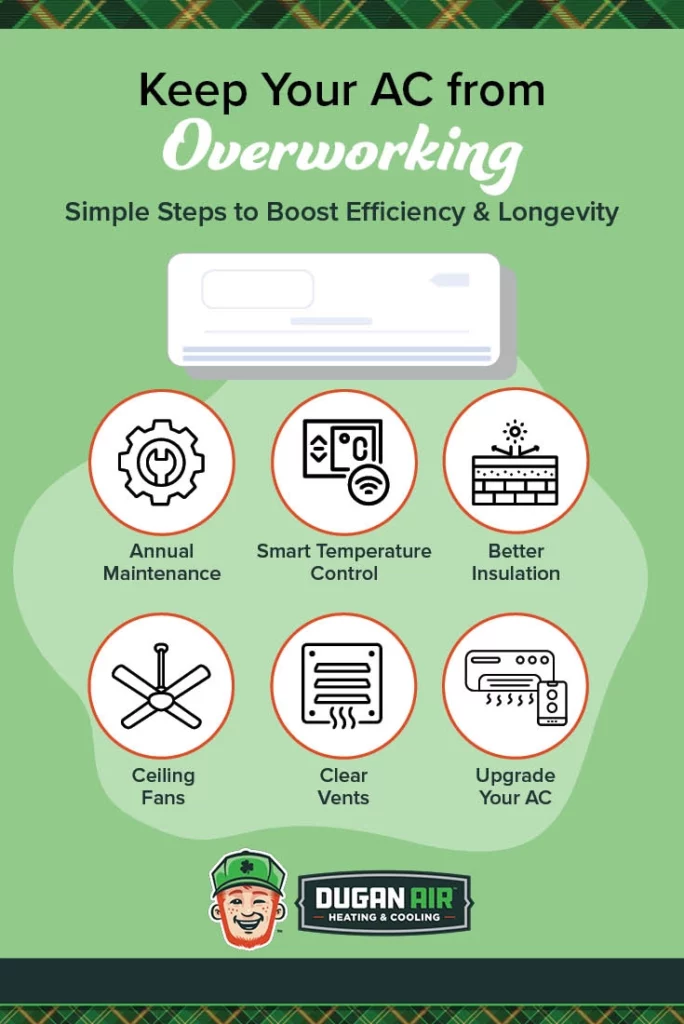
Infographic with tips to prevent AC problems and keep your system from overworking: annual maintenance, smart controls, insulation, ceiling fans, clear vents, and unit upgrades. Dugan Air logo at the bottom.

Top Reasons Your AC Is Always Running

Let’s explore the most common culprits behind an air conditioning unit that keeps running: 

  • Dirty air filter: A clogged air filter restricts airflow, making your system work harder to push air through, resulting in longer runtimes.
  • Improper thermostat settings: If your thermostat is set too low or to “ON” instead of “AUTO,” your system may run longer or continuously.
  • Leaky ductwork: Air escaping through holes or gaps in your ducts means cooled air never makes it to your rooms, so the AC keeps running.
  • Refrigerant issues: Low refrigerant levels reduce your AC’s ability to absorb and remove heat, meaning it takes much longer to cool your space.
  • Oversized or undersized AC unit: If your AC is too small, it may never catch up. If it’s too big, it may short cycle (turn on/off frequently) or fail to properly dehumidify, causing discomfort and inefficiency.
  • Old or inefficient system: If your system is 10–15 years old or has not been serviced regularly, wear and tear could lead to longer runtimes and higher bills.

Dugan Tip: Check These DIY Fixes First

Before calling a technician, check these simple things yourself:

  • Replace the air filter: A dirty filter is the number one cause of poor performance.
  • Inspect the thermostat settings: Make sure it’s set to “AUTO” (not “ON”) and at an efficient temperature setting, between 74–78°F. 
  • Check for closed vents: Ensure all air supply vents are open and unobstructed.
  • Look for outdoor unit obstructions: Remove leaves, weeds, or debris around the condenser unit for proper airflow.
  • Seal windows and doors: Poor insulation can let cool air escape, making your system run nonstop to compensate.

If these fixes don’t solve the issue of an AC unit that won’t stop running, it’s time to dig deeper. You may even need a new AC unit installed.

When Constant AC Use Becomes a Problem

Here’s when all-day AC use could be a sign of trouble:

  • Your energy bills are unusually high.
  • Your home feels humid or never reaches the set temperature.
  • The system runs but doesn’t cool effectively.
  • You hear unusual noises like hissing, buzzing, or banging.
  • The outdoor unit has ice buildup or is hot to the touch.

These symptoms can indicate problems like:

  • Refrigerant leaks
  • Compressor failure
  • Dirty coils
  • Electrical issues
  • Poor airflow or blocked return vents

Ignoring these signs can lead to expensive repairs or premature system failure.

When to Call a Professional HVAC Technician

If basic maintenance doesn’t help and your AC continues running constantly, it’s time to call the experts at Dugan Air.

Call us if:

  • Your AC has been running all day for multiple days in mild weather.
  • There are signs of damage, leaks, or strange noises.
  • You suspect your system is too old or incorrectly sized.
  • Your thermostat seems unresponsive or inaccurate.
  • Your system hasn’t had a professional tune-up in over a year.

Our licensed technicians can diagnose issues quickly and get your system running efficiently again, saving you money and stress. We also offer emergency AC repairs.

How to Prevent Your AC from Overworking

Preventive care is the best way to avoid an overworked AC system. Here’s what you can do:

  • Schedule annual maintenance: Have a professional HVAC tune-up every spring to clean, inspect, and optimize your system before peak use.
  • Use a programmable or smart thermostat: Set your thermostat to adjust temperatures when you’re away or asleep. This reduces system strain.
  •  Improve insulation: Make sure your attic, walls, and windows are well-insulated. Add weatherstripping to doors and windows.
  • Install ceiling fans: They help circulate cool air more efficiently, so your AC doesn’t have to work as hard.
  • Keep vents clear: Ensure all supply and return vents are unblocked by furniture, rugs, or curtains.
  • Consider upgrading your system: If your AC is more than 10–15 years old, upgrading to a newer, energy-efficient model can dramatically reduce runtimes and utility costs.

Call Dugan Air

So, should you worry about an air conditioner running all day? Sometimes yes, sometimes no. On sweltering summer days, long runtimes may be normal. But if your system runs non-stop in average conditions — or fails to keep your home cool — it’s time to act. Start with simple DIY fixes like replacing filters and checking thermostat settings.

If that doesn’t work, and you need help with an overworked AC, call Dugan Air today or book your appointment online. We’ll keep your cool going strong!

when to replace old hvac system

Top Signs Your 10+ Year Old HVAC System Needs To Be Replaced

Your HVAC system works tirelessly to keep your home comfortable, battling the extremes of summer heat and winter cold. However, like any mechanical system, it has a limited service life. If you purchased your old HVAC system more than a decade ago, it may be approaching the end of its useful life and showing signs that it’s time for an upgrade. Recognizing the red flags early can save you money, improve indoor air quality, and help avoid unexpected breakdowns during peak seasons.

Explore how long HVAC systems typically last, the top signs that your older unit is due for replacement, and the benefits of upgrading to a newer, more energy-efficient system.

How Long Does an HVAC System Last?

On average, HVAC systems last between 10 and 15 years, depending on the model, usage, and the level of maintenance. Furnaces can sometimes stretch up to 20 years, while air conditioners and heat pumps typically fall on the shorter end of the spectrum.

If your system is over 10 years old and has required frequent service, it’s probably nearing the end of its life. Even with regular maintenance, age eventually takes its toll on the compressor, blower motor, and heat exchanger. 

However, if a system is well-maintained, used in a mild climate, and made with high-quality components, it might last up to or beyond 20 years. That said, even if it’s still running, an older system will likely operate less efficiently and cost more in energy and repairs compared to a modern unit. While a 20-year HVAC unit lifespan is possible, performance and efficiency often decline significantly in the final years.

Top Warning Signs Your 10+ Year Old HVAC System Needs Replacing

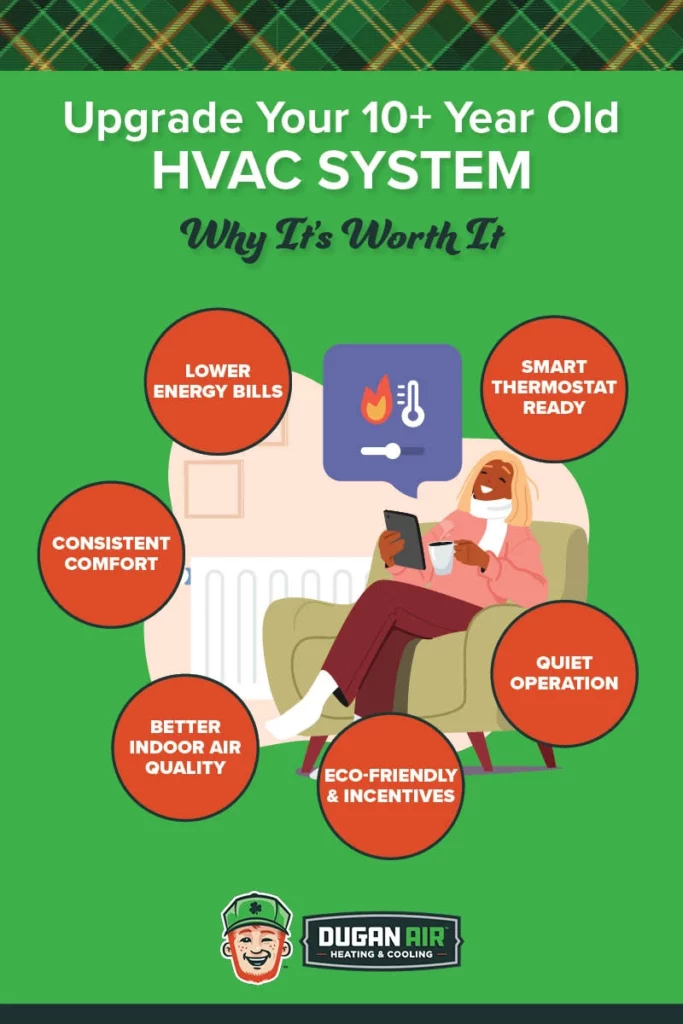
A woman sits in a chair with a drink, enjoying indoor comfort, surrounded by reasons to consider HVAC replacement—like energy savings and better air quality compared to her old HVAC system.

Here are the most common indicators that it’s time to say goodbye to your aging HVAC system:

  • Rising energy bills: A significant and unexplained increase in your energy bill is a red flag. Older HVAC systems lose efficiency over time, even if they’re technically still running. 
  • Frequent repairs: If you’re calling the HVAC technician every season — or more often — you’re probably spending more on repairs than the system is worth. Frequent breakdowns are a sure sign your system is on its last legs.
  • Inconsistent temperatures: Uneven temperatures from room to room can indicate that your HVAC system is no longer distributing air efficiently, often due to aging ductwork, blower issues, or a failing thermostat.
  • Strange noises or odors: Rattling, grinding, or humming sounds can point to worn-out parts or loose components. Foul or musty odors might mean mold buildup, burnt wires, or a failing motor. 
  • Poor indoor air quality: Older systems often struggle to filter out dust, allergens, and humidity effectively. If you’re noticing more dust buildup, worsening allergies, or increased humidity levels, your HVAC system may be the culprit.
  • Short cycling: Short cycling occurs when your HVAC system turns on and off frequently. This puts additional wear on your unit and is often a sign of aging components or an overworked compressor.
  • Outdated technology: Modern HVAC systems come with smart thermostats, zoning capabilities, and energy-efficient ratings. If your older system lacks these features, you’re missing out on comfort, convenience, and savings.

When To Replace Your HVAC System vs. Repairing It

It’s not always easy to know when to replace your HVAC system or repair it. Here’s a simple guideline:

  • If the repair cost exceeds 50% of the cost of a new system, replacement is often the best choice financially.
  • If your system is 10 to 15 years old and has required multiple repairs, it’s likely nearing the end of its usable life.
  • If your unit still uses R-22 refrigerant, which is now banned in the U.S., replacement is essential. Repairs involving outdated refrigerants can be costly and unsustainable.

Also, consider your comfort. If your system isn’t keeping up with your needs, a new one could be a worthwhile investment even if the old one technically still functions.

Benefits of Upgrading Your 10+ Year Old HVAC System

While the upfront cost of a new system can be substantial, the long-term benefits of improved efficiency, reduced repair costs, and enhanced comfort can make it a smart investment. Improvements include:

  • Lower energy bills: New systems are dramatically more energy-efficient, especially ones with a high SEER number. Upgrading can reduce your utility costs by 20% to 40%, depending on the condition and efficiency of your old unit.
  • Improved indoor air quality: Newer HVAC models feature advanced filtration systems that remove more dust, pollen, and other contaminants from the air, enhancing respiratory health and overall comfort.
  • More consistent temperatures: Modern systems are more effective at maintaining steady temperatures, even during extreme weather conditions. You’ll notice fewer hot or cold spots and better airflow throughout your home.
  • Quiet operation: New HVAC units are designed for quiet performance, thanks to better insulation and improved fan and compressor technology.
  • Smart thermostat compatibility: Upgrading allows you to integrate your system with a smart thermostat, providing remote control, scheduling features, and performance monitoring — all of which help you save energy.
  • Eco-friendly options: New HVAC systems use environmentally friendly refrigerants and meet stricter energy-efficiency standards. This not only benefits the planet but can also qualify you for rebates and tax incentives.

Contact Dugan for HVAC Upgrades and Services

If your HVAC system is more than 10 years old, it’s worth evaluating whether it’s still up to the task. Rising energy bills, uneven temperatures, frequent breakdowns, and poor air quality are all signs that replacement may be the best path forward.

Don’t wait for your old HVAC unit to fail during the hottest or coldest day of the year — schedule a professional evaluation today and experience the Dugan Difference! 

ac unit turning on and off

Why Does My AC Keep Turning On and Off Every Few Seconds?

With average highs of 85 degrees, it can be tough to stay cool in Franklin during the summer. It’s even harder when your AC unit is turning on and off and not properly cooling your home. We’ll explore common causes of AC short cycling, troubleshooting tips, and when to call a pro for AC repairs.

AC Short Cycling: What It Is and Why It’s a Problem

When your air conditioner is working properly, it naturally cycles between blowing cool air and resting the system. This cycle typically features about 10 minutes of active time, followed by 10 minutes of rest. The rest time may be longer on cooler days or slightly shorter in hot weather. 

When your AC has a problem, this cycle gets disrupted — the system turns rapidly on and off in a process called short cycling. The length of the short cycle can vary, but in most cases, any cycle shorter than 10 minutes is considered a potential problem. 

Why is AC short cycling an issue?

Short cycling is a problem because it reduces cooling efficiency and increases wear and tear on your air conditioning system. During a cooling cycle, your AC compressor circulates refrigerant through the system to cool the air. During short cycling, the compressor turns on and off rapidly, preventing the refrigerant from cycling through the full system. This rapid on and off also stresses the system, increasing the risk of a breakdown. Professional AC maintenance is the best way to avoid AC short cycling and prolong the life of your air conditioning system.

Common Causes of AC Turning On and Off Frequently

A wide variety of issues can cause AC short cycling. The following problems are some common reasons for short cycling:

Thermostat issues

The thermostat is the key signaling component that tells your AC when to turn on and off. A faulty thermostat may tell the AC the right temperature has been reached, causing it to shut off too soon. 

A number of thermostat problems can cause short cycling, including a miscalibrated thermostat or low batteries. Another common problem is a poorly located thermostat. For example, a thermostat placed directly in front of an AC vent may cool off rapidly compared to the rest of your home, signaling your AC to turn off early. 

Clogged or dirty air filter

Clogged air filters are one of the most common causes of air conditioner problems. When AC filters are dirty, it becomes difficult for air to flow freely through the system. This can lead to the air conditioner overheating and detecting a higher temperature level than what is actually in your home.

When clogged filters lead to higher temperature readings, your AC may turn on more than it should. However, as air can’t flow properly, it will then shut off quickly to allow the system to cool. This can lead to short cycling. 

Energy Star recommends cleaning and changing your AC filters at least once a month and changing them at least once every three months (or as directed by the manufacturer).

Refrigerant problems

Refrigerants are the chemicals inside your AC that facilitate the heat transfer process. They absorb heat from your indoor air and move it outside, cooling your home. 

There is a set level of refrigerant inside your AC, which shouldn’t change. However, a leak may lead to low refrigerant levels, making it more difficult for your AC to transfer heat. This can cause your air conditioner to overheat as it works harder to cool your home, leading to short cycling. Low refrigerant can also lead to other issues, such as your AC running but not cooling.

Oversized AC system

It’s important to have the right size of air conditioner for your home. A unit that’s too small will struggle to cool your home, which can lead to the system overheating and breaking down. 

A unit that’s too large will cool your home too quickly, prompting the system to shut off early. Not only can an oversized AC system cause short cycling, but it will also use an unnecessary amount of energy and drive up your utility bills. 

If your home’s AC is the wrong size, the best solution is usually a new system. While replacing your AC is an investment, it can save you a significant amount in utility costs in the long run.

Electrical issues

The capacitor is an important electrical component inside your AC that helps direct power to the compressor motor. If there’s an issue with the capacitor, the compressor may struggle to move refrigerant through your AC to cool your home. Electrical issues can often be difficult to diagnose yourself, since these components tend to be located deep inside the AC. If you suspect an electrical problem, it’s best to call an HVAC pro.

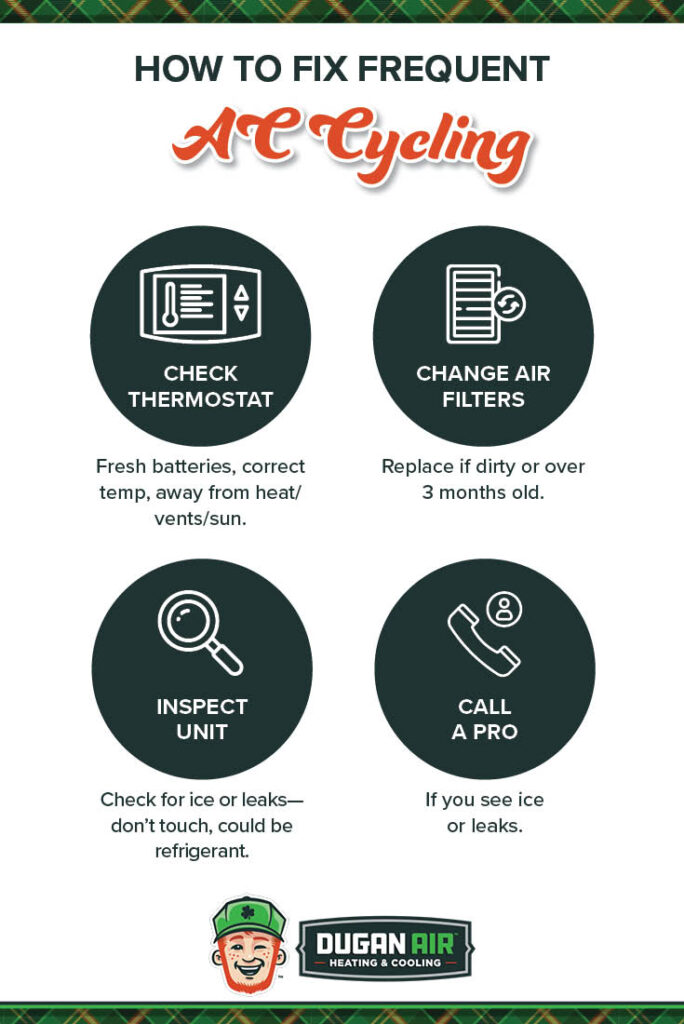
How to Fix Frequent AC Cycling — Troubleshooting Tips

The following troubleshooting tips can help you diagnose the cause of AC short cycling:

  • Step one: Check the thermostat. Make sure it has fresh batteries and is set to the correct temperature. Avoid placing it near windows, vents, or direct sunlight, as this can cause inaccurate readings.
  • Step two: Clean or change the air filters. If your filters are dirty or over three months old, replace them. You may need to change them more often during heavy use, if you have pets, or live in a dusty area.
  • Step three: Visually inspect the unit. Look for signs like ice buildup, excess condensation, or liquid pooling around your indoor or outdoor AC units.
  • Safety note: If you see ice or fluids, don’t touch them. These could signal a refrigerant leak, which can be harmful. Stick to visual checks and call a professional if needed.

When to Call for AC Repair

If your AC keeps turning on and off every few seconds and you’re not sure of the cause, it’s likely time to call for professional support.

You suspect a refrigerant problem

Refrigerants are an essential cooling component of your AC and aren’t dangerous when they stay inside the system. However, if refrigerants leak out in their liquid or gaseous form, they pose a health risk. Common signs of a refrigerant leak include a sweet, chemical smell and liquids on or near your AC. If you notice any of these problems, turn off your AC, evacuate the home, and call a pro immediately for emergency AC repairs. 

You’re not sure what the issue is

If you’ve checked the thermostats and air filters and you’re not sure what’s wrong, calling a pro is the best way to get a quick and accurate diagnosis. A professional HVAC technician can solve electrical issues and broken components and help you choose a new AC if your current system is the wrong size for your home.

Call Dugan Air for AC Short Cycling in Johnson County, IN

Find a reliable solution for AC short cycling with support from Dugan Air. Our licensed pros deliver expert advice and professional repairs for all kinds of AC problems, from short cycling and breakdowns to choosing a new home cooling system. Contact us today for qualified HVAC repairs, fair rates, and personal customer service.

Schedule Now

"*" indicates required fields

This field is for validation purposes and should be left unchanged.